When it comes to restoring clear vision affected by cataracts, cataract surgery is one of the safest and most common treatment options. Not only can it improve vision, but it can also reduce glare and make colors appear brighter and more vivid.
However, many people still hold misconceptions about cataract surgery. They fear that the procedure will be painful, require a long hospital stay, or involve a lengthy recovery. Some of these beliefs are based on outdated information, while others are simply not true.
By separating the myths from the facts, it becomes easier to understand what cataract surgery involves and make informed decisions about eye care.
Here are seven common cataract surgery myths and the truth behind them.
Myth 1: Cataract Surgery Is Painful
One of the most common myths about cataract surgery is that the procedure is painful. Many people worry that they will feel significant pain while the surgery is being performed. In most cases, the eye is numbed before the procedure, so patients should not feel pain during surgery. Some people may feel mild pressure or notice sensations during the procedure.
After surgery, there may be some mild discomfort as the eye heals. However, this is different from severe pain. Cataract surgery complications can include discomfort during recovery, but this is usually mild and manageable with proper aftercare.
Overall, the procedure is designed to keep patients comfortable and ensure a painless experience.
Myth 2: Cataracts Only Affect Older People
Although cataracts are more common in older adults, they can also affect younger people. A cataract can develop earlier due to factors such as an eye injury, certain health conditions, long-term use of some medicines, or a family history of cataracts.
Some people may also develop cataracts due to long-term exposure to sunlight or other factors that affect eye health. No matter the person’s age, it is essential to have any changes in vision checked by an eye specialist to find out if cataracts are the cause and whether treatment is needed.
Myth 3: Cataracts Need to Become Severe Before Surgery
Contrary to popular belief, there is no need to wait for a cataract to become severe before considering surgery. What matters most is whether the cataract is making everyday vision harder, not simply how severe it looks.
If blurred vision, glare, or poor night vision makes activities such as reading, driving, or working harder, it may be time to discuss surgery with an eye specialist.
A person may still have fairly good results on an eye chart but struggle with vision in everyday settings. The right time for surgery depends on the person’s symptoms, daily needs, and overall eye health.
Myth 4: Cataract Surgery Requires a Long Hospital Stay
Since cataract surgery is usually performed without an overnight hospital stay, it does not require patients to remain in the hospital for several days. Most patients can return home after the procedure once they have recovered and their care team confirms that it is safe to leave.
The procedure itself is usually completed fairly quickly, although the total time at the hospital or clinic may be longer due to preparation and recovery.
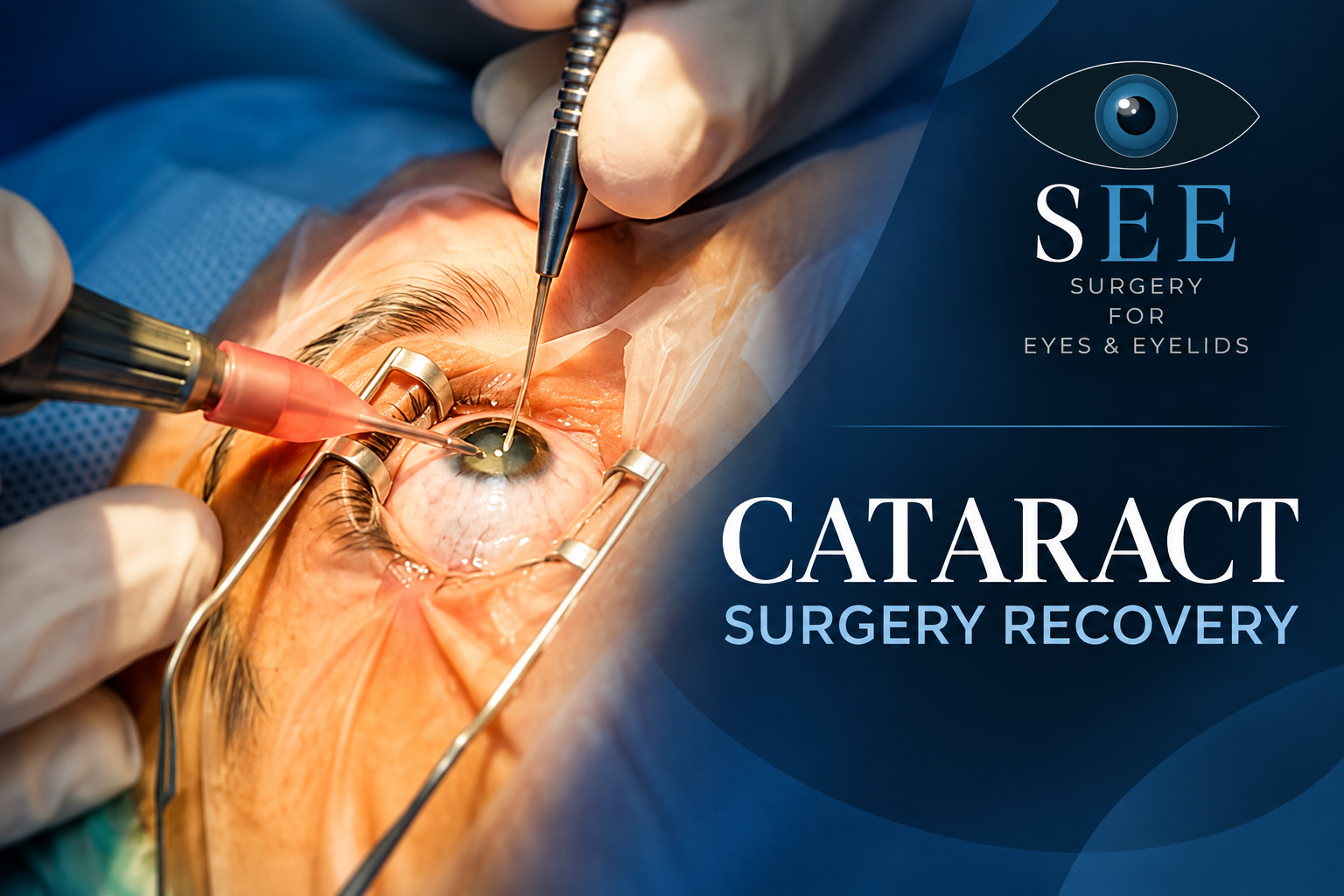
During surgery, the cloudy natural lens is removed and replaced with an artificial lens. The type of anaesthetic and other details may vary based on the patient’s needs.
Myth 5: Cataract Surgery Is Only for People with Severe Vision Loss
Many people make the mistake of thinking that cataract surgery is only needed when their eyesight becomes very poor, so they do not seek treatment when early vision changes appear. However, what they fail to realise is that cataracts can affect daily activities even before vision becomes severely impaired.
Cataracts can cause blurred vision and increased glare, which may make activities such as night driving, reading, using a computer, or recognising faces more difficult. These changes can make everyday tasks harder and may affect a person’s confidence.
It is important to have cataract-related vision changes checked rather than waiting for the cataract to cause severe vision loss. An eye specialist can assess the cataract and advise whether surgery is suitable based on how it affects daily life.
Myth 6: Cataracts Can Come Back After Surgery
Generally, cataracts do not return after the cloudy natural lens has been removed and replaced with an artificial lens. The original cataract cannot grow back after the procedure.
In some cases, vision may become cloudy again after surgery due to a condition called posterior capsular opacity, or PCO. It occurs when the thin membrane behind the artificial lens becomes cloudy.
PCO is different from a new cataract. If it affects vision, it can usually be treated with a laser procedure to help restore clear vision.
Myth 7: Recovery from Cataract Surgery Takes a Long Time
Although the eyes need some time to heal after cataract surgery, recovery usually does not take a long time. Many patients notice an improvement in vision soon after the procedure, although the eyes may need more time to fully heal.
It is important to follow the aftercare advice provided by the surgeon during recovery. This may include using prescribed eye drops, avoiding certain activities for a short period, and attending follow-up appointments.
With proper care, most patients can quickly return to their usual daily activities as their eyes heal.
Frequently Asked Questions
The surgery itself usually takes around 30 minutes, although the total time spent at the hospital or clinic may be longer because of preparation and recovery after the anaesthetic.
Cataract surgery is a commonly performed procedure, but like any surgery, it carries some risks. An eye specialist can explain the possible benefits and risks based on the patient’s eye health and personal needs.
There is no single point that is right for everyone. Surgery may be considered when a cataract begins affecting daily activities or quality of vision. An eye specialist can assess the cataract and discuss whether treatment is suitable.
This can depend on the type of artificial lens used and the person’s vision needs. Some people may still need glasses for reading, distance vision, or certain activities after surgery. Lens options can be discussed with the surgeon before treatment
Conclusion
Although many myths and misconceptions still surround cataract surgery, most of them are based on outdated or incorrect information. Knowing the facts can help patients understand the procedure and feel more confident about their treatment options.
By understanding what cataract surgery involves, when it may be needed, and what recovery is like, patients can make informed choices about their eye care. Knowing the facts can also help patients have a clearer idea of what to expect before, during, and after treatment.
Are you considering cataract surgery to improve your vision? The SEE Clinic provides specialist eye care and cataract treatment tailored to your vision needs.