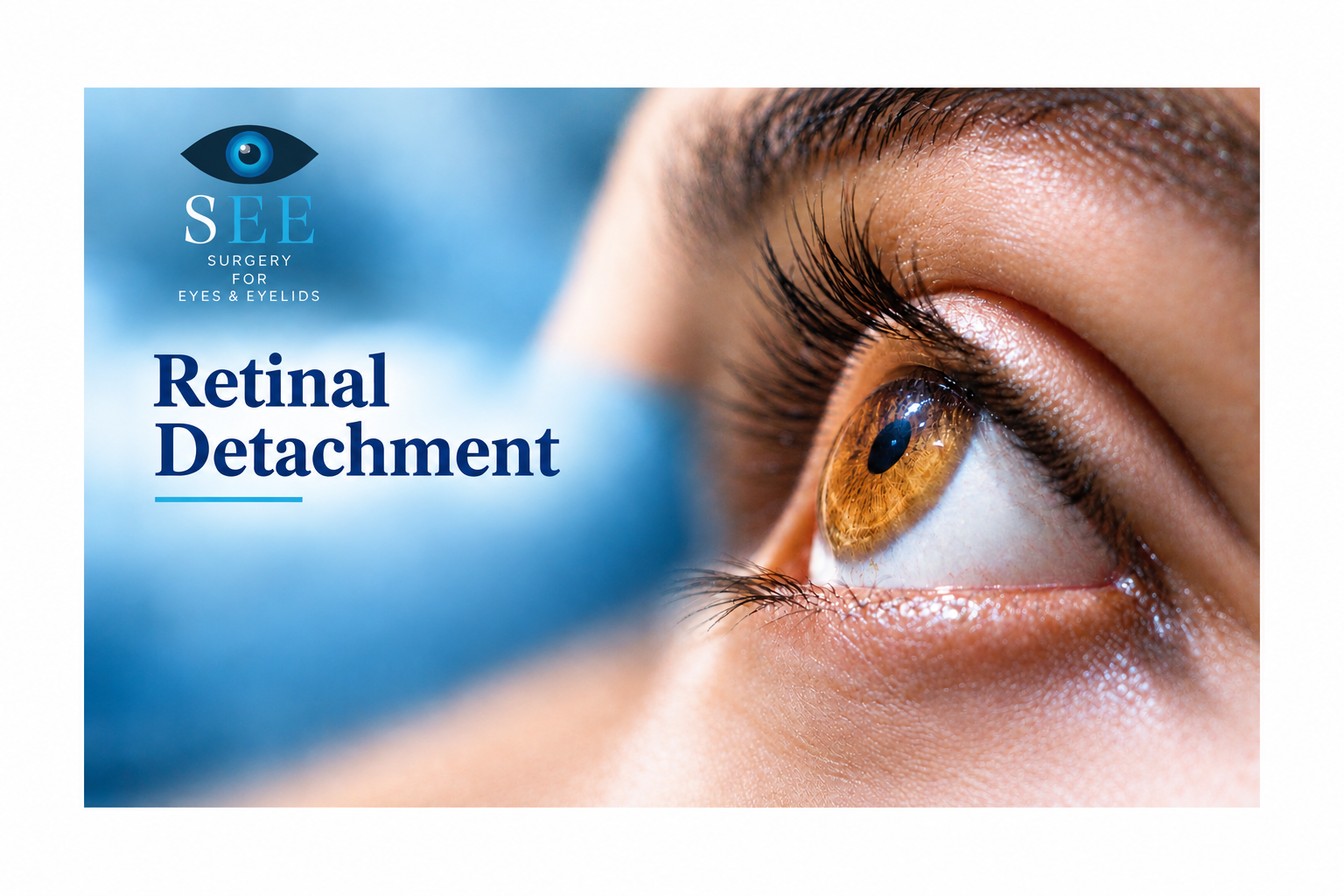
Often referred to as a detached retina, retinal detachment is a serious eye problem that can cause permanent vision loss if left untreated. It happens when the retina pulls away from the back of the eye and can no longer work as it should. While retinal detachment can affect your vision quickly, the time it takes to cause vision loss varies based on a number of factors, such as the size and location of the detachment and whether the macula is affected. In some cases, vision may worsen within a short time, while in others, the change may take longer. Delaying treatment can allow the detachment to spread and increase the risk of permanent vision loss.
Nonetheless, by understanding how quickly retinal detachment can affect vision and seeking timely eye care, you can help reduce the risk of permanent sight loss.
How Long Does It Take for Retinal Detachment to Cause Vision Loss?
There is no fixed time for retinal detachment to cause vision loss. How fast sight is affected can depend on where the detachment starts, how much of the retina is affected, and whether it reaches the macula, which is the central part of the retina that helps you see fine details. If the macula is still attached when retinal detachment is found, urgent treatment may help protect central vision.
If the macula becomes detached, central vision can become blurred or greatly reduced. The longer the retina stays detached, the greater the risk of lasting damage.
This is why retinal detachment should not be watched at home to see if it gets better. It needs urgent assessment by an eye doctor. By seeking early treatment for retinal detachment, you can improve your chances of protecting your vision.
5 Ways to Help Prevent Retinal Detachment
While retinal detachment cannot always be prevented, there are still some steps you can take to lower your risk of developing this condition and protect your vision. By taking the right precautions and getting regular eye checks, you can lower your risk of retinal detachment and help protect your sight.
Here are five ways to help prevent retinal detachment:
Get Regular Eye Checks
One of the best ways to keep retinal detachment at bay is by getting regular eye checks. These exams can help find retinal tears, holes, or other changes before they lead to a retinal detachment.
Regular checks are even more important if you have a higher risk of retinal problems. Your eye doctor can tell you how often you need an eye exam based on your eye health and medical history.
Finding a retinal tear early may allow it to be treated before it develops into a retinal detachment.
Protect Your Eyes From Injury
In addition to getting regular eye checks, protecting your eyes from injury can also help lower the risk of retinal detachment. Injuries to the eye can sometimes cause changes to the retina that may raise the risk of retinal detachment. Wearing suitable eye protection during sports, work, or tasks that involve tools can help protect your eyes from injury.
If you suffer a strong blow to the eye, get medical advice promptly, especially if you notice flashes, new floaters, blurred vision, or other changes in your sight.
Treat Retinal Tears Early
A retinal tear can sometimes lead to retinal detachment. When a tear forms, fluid can pass through it and collect behind the retina. This can cause the retina to pull away from the back of the eye.
Some retinal tears can be treated with laser treatment or freezing treatment. These treatments create a small area of scar tissue around the tear, which can help stop fluid from getting behind the retina.
If your eye doctor finds a retinal tear, follow their advice on treatment and follow-up checks.
Know Your Risk Factors
Certain factors can make retinal detachment more likely. Severe short-sightedness, past eye surgery, a previous retinal detachment, and serious eye injuries can all raise the risk. Some eye conditions may also make retinal detachment more likely. If you have any of these risk factors, getting them treated can help lower your risk of retinal detachment and protect your vision.
By knowing what can increase your risk of retinal detachment, you can take the right steps to protect your vision.
Do Not Ignore Sudden Vision Changes
Many people make the mistake of ignoring sudden changes in their vision, thinking that they will go away on their own. However, what they fail to realise is that these changes can be an early sign of retinal conditions, including retinal detachment.
Signs of a retinal tear or detachment can include:
- A sudden increase in floaters
- Flashes of light
- A dark curtain or shadow across your vision
- Sudden blurred vision
- Loss of side vision
- A sudden drop in vision
These signs do not always mean that you have retinal detachment. However, they need urgent attention because a retinal tear or detachment can cause permanent vision loss if treatment is delayed. Getting your eyes checked as soon as these changes appear can help find retinal detachment early and allow treatment to begin without delay.
Frequently Asked Questions
Yes, retinal detachment can cause sudden vision loss. The change may be mild at first or may become more serious as the detachment spreads. If the macula becomes detached, central vision can be greatly affected. Sudden vision loss or other signs of retinal detachment need urgent eye care.
A detached retina does not usually heal on its own. Without treatment, the detachment can get larger and cause more damage to the retina. If you have signs of retinal detachment, an eye doctor should check your eye as soon as possible and advise you on the right treatment.
Common symptoms include a sudden increase in floaters, flashes of light, blurred vision, loss of side vision, and a dark curtain or shadow moving across your vision. Retinal detachment can also happen without pain. If you notice these symptoms, seek urgent eye care.
Retinal detachment surgery aims to put the retina back in its normal position and prevent further vision loss. How much vision returns can depend on the extent of the detachment, how long the retina has been detached, and whether the macula was affected. Early treatment can give the best chance of protecting vision.
Conclusion
Retinal detachment can cause serious and permanent vision loss if it is not treated in time. There is no set amount of time before vision loss occurs, so sudden changes in vision should never be ignored. Regular eye checks, early treatment of retinal tears, eye protection, and quick action when symptoms appear can help protect your sight.
Are you experiencing sudden changes in your vision or concerned about retinal detachment? The SEE Clinic provides specialist eye care for retinal detachment, from diagnosis to suitable treatment.