
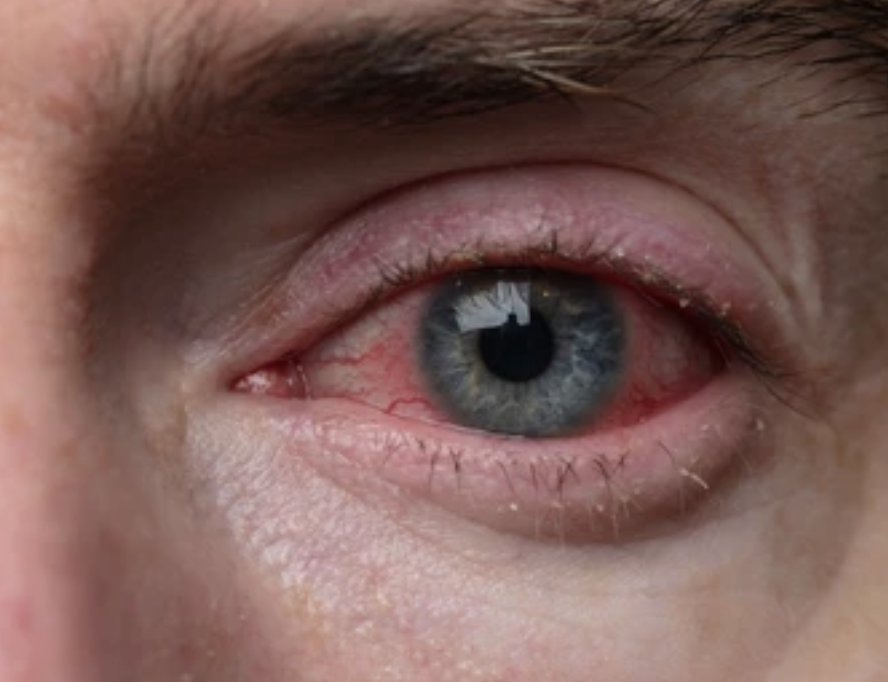
Blepharitis
Eyelids and Tearducts Blepharitis Treatment
Blepharitis is a common ocular condition that leads to inflammation and reddening of the eyelids causing it to scale and crust. Blepharitis usually affects both eyes along the edges of the eyelids.
What causes Blepharitis?
Blepharitis is caused by a build-up of bacteria up on the eyelashes and oil glands which lie behind the eyelashes. The bacteria and excess build-up of skin cells lead to irritation.
This can also cause the oil glands also to become blocked which leads to poor quality tears.
What are common symptoms of Blepharitis?
- Irritation of the eyes
- Watery and red eyes
- Eyelids becoming swollen and comfortable
- Eyelids becoming red
- Itchy eyes
- Tears that are foamy or have small bubbles in them
- Dry eyes
- Crusty eyelids or eyelashes when you wake up
How do you treat Blepharitis?
To help treat Blepharitis in most-cases we advise the following:
- Consult with your eye doctor for blepharitis.
- We advise hot bathing with hot flannels and an “Eye bag”- click for details. Cleaning with special solutions may also help.
- Supplementation of the poor-quality tears with artificial tears.
- Short courses of antibiotic tablets and/ or steroids may be required in severe cases.
Why Omega-3 Matters for Blepharitis
Blepharitis is fundamentally an inflammatory condition. Beyond eyelid hygiene and prescribed treatments, what you put into your body can make a meaningful difference — and Omega-3 fatty acids are one of the most well-researched anti-inflammatory nutrients available.
May Help Reduces Inflammation – EPA and DHA, the active Omega-3s, help regulate the body’s inflammatory pathways — directly targeting the root process behind eyelid redness and swelling.
Supports Tear Quality – Omega-3s support the meibomian oil glands that produce the lipid layer of your tears, helping to reduce the dry, foamy, or bubbly tears characteristic of blepharitis.
Promotes Meibomian Gland Function – Regular Omega-3 supplementation helps keep oil glands functioning properly, reducing the blockages that worsen lid inflammation over time.

A Helpful Part of Long-Term Management
While Omega-3 supplements are not a cure for blepharitis, they may form a useful part of a long-term management plan, particularly for patients who experience recurrent flare-ups, dry eye symptoms, or meibomian gland dysfunction.
For best results, we recommend discussing Omega-3 supplementation with your eye care professional as part of your personalised treatment plan.
Can Blepharitis be cured?
There is no definite cure to Blepharitis. It is a condition that requires control and may flare up from time to time, a little like Eczema. But if you have any concerns and are looking to get a diagnosis or get best treatment for blepharitis, book a consultation below with one of our Blepharitis specialists.
