Squint
Squint Eye Treatment
What is a Squint?
A squint occurs when the two eyes are pointing in different directions. A squint can be congenital or developmental in children and there is no often no obvious cause. Risk factors are prematurity and family history Squints in adults may be due to a number of causes, and your doctor will investigate you appropriately.
What is the treatment?
In children, it is important to exclude an underlying cause. Children need to be checked for the need for glasses, which may help to control the squint. It is extremely important for children to have regular follow-up appointments to ensure their vision develops normally. Some children may need patching of one eye to allow the weaker eye to develop. A small number of children may require surgery, but this is generally after the vision has been allowed to stabilise.
What are the symptoms of a squint?
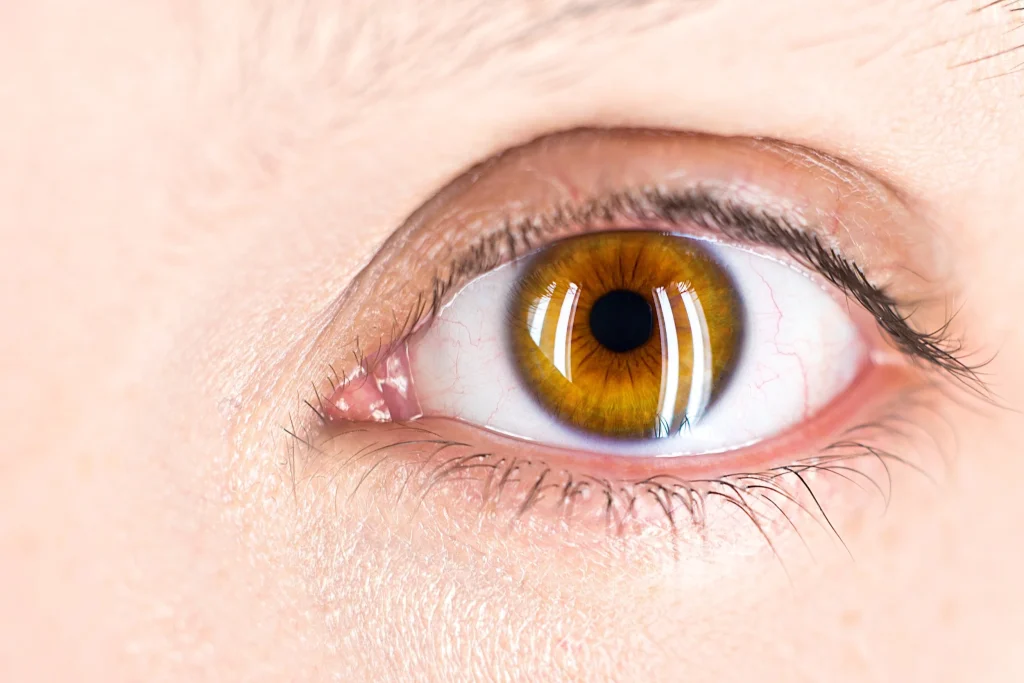
Symptoms of a squint can include the eyes pointing in different directions, blurred or double vision, and difficulty focusing. In children, you may notice that one eye turns inwards, outwards, upwards or downwards. A child may also tilt or turn their head, close one eye, or have difficulty judging distances. Some squints may not cause obvious symptoms, so regular eye examinations are important.
When is squint surgery needed?
Most squints can initially be managed with treatments such as glasses or patching, depending on the cause and the child’s vision. In some cases, surgery may be recommended to improve the alignment of the eyes. Your eye specialist will assess the squint and recommend the most appropriate treatment based on your individual needs.