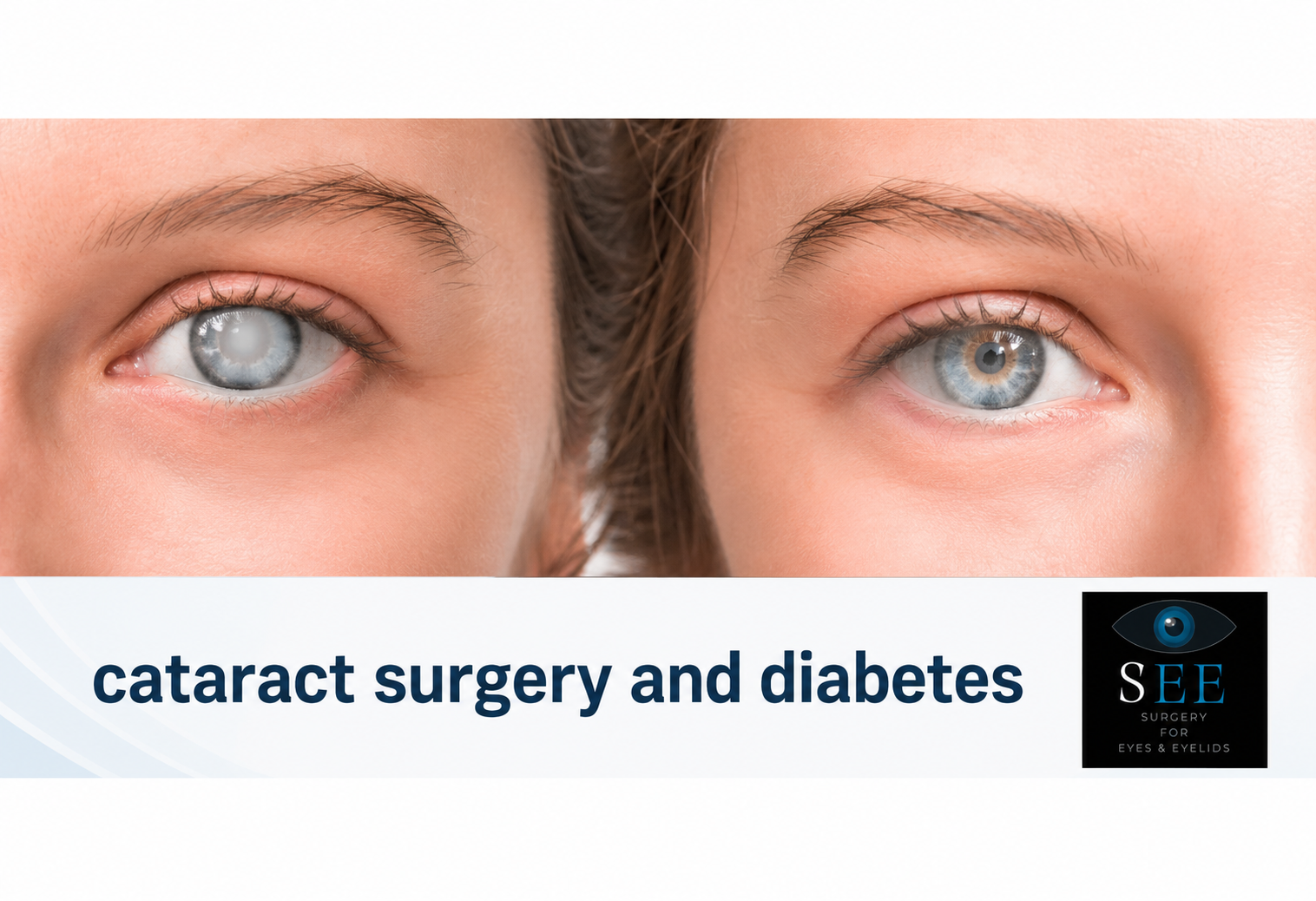
Even though diabetes can affect eye health and increase the risk of cataracts, people with diabetes can still undergo cataract surgery if their condition is stable and properly monitored. Diabetes can affect eye health and the way the eyes heal after surgery. Since these factors can affect the results of treatment, some people get scared about whether cataract surgery is safe for them. Cataract surgery and diabetes often raise questions about safety, recovery, and the expected results. However, with the right checks and care, cataract surgery can still be a suitable option for many people with diabetes.
By understanding how diabetes can affect cataract surgery and taking the right steps before and after treatment, patients can feel more prepared for the procedure.
Can People with Diabetes Have Cataract Surgery?
Yes, people with diabetes can have cataract surgery. Cataract surgery removes the cloudy natural lens from the eye and replaces it with an artificial lens. The basic procedure is much the same for people with and without diabetes.
However, diabetes can affect the blood vessels and other parts of the eye. It can also affect healing. For this reason, proper eye checks and good blood sugar control are needed before surgery.
The retina and macula should be checked for signs of diabetic eye disease, while blood sugar levels should be kept under control. These steps help assess the health of the eyes and whether cataract surgery is suitable.
5 Things to Know Before Having Cataract Surgery with Diabetes
While diabetes can make cataract treatment a little more difficult, the surgery can still be done if the condition is stable and properly managed. By taking the necessary precautions and keeping up with regular eye checks, people with diabetes can improve their chances of having a safe cataract surgery and recovery.
Here are five things to know before having cataract surgery with diabetes.
Blood Sugar Should Be Well Controlled
Good blood sugar control can make a big difference to cataract surgery and recovery. High blood sugar over time can damage the small blood vessels in the retina and increase the risk of diabetic eye problems.
Blood sugar levels can also affect vision. When glucose levels change, the natural lens can swell or change shape, which may cause vision to become blurred or vary from day to day.
Before the surgery, make sure you keep your blood sugar under good control and follow your diabetes care plan. If your blood sugar is not well controlled, it may be important to improve it before having cataract surgery. The right blood sugar level can vary from person to person, so follow your doctor’s advice before having cataract surgery.
Diabetic Retinopathy Should Be Checked
Also known as diabetic eye disease, diabetic retinopathy is caused by damage to the small blood vessels in the retina, which is the light-sensitive layer at the back of the eye that helps you see.
Diabetes can cause these blood vessels to leak or become blocked. In more advanced cases, new blood vessels can grow and cause further damage.
Checking for diabetic retinopathy is important before cataract surgery. If retinopathy is present, it needs to be assessed to see how severe it is and whether treatment or close monitoring is needed.
This check helps ensure that any diabetic eye problems are identified early, so the right care can be planned before and after cataract surgery.
The Retina and Macula Should Be Checked
The retina and macula play a key role in helping you see clearly, with the retina detecting light and images and the macula helping you see fine details such as words and faces.
Diabetes can cause swelling in the macula, known as diabetic macular edema. People with diabetes are also at higher risk of macular swelling after cataract surgery.
Before cataract surgery, make sure the retina and macula are checked for swelling or other changes. Extra eye scans or tests may be needed to get a clear view of the eye’s health.
These checks can help identify any eye problems that may affect vision after surgery and ensure they are managed as part of the treatment plan.
Other Health Conditions and Medicines Should Be Reviewed
Many people with diabetes make the mistake of focusing only on their blood sugar before cataract surgery. However, what they often miss out on is the need to consider other health conditions and medicines that may affect the surgery or recovery.
It is important to share details of all medicines you take with your doctor, including those used to manage diabetes. Any other health problems should also be discussed before the procedure.
Keeping your doctor informed about your health and medicines helps ensure that the right steps are taken before and after cataract surgery.
Follow-Up Care Is Important After Surgery
Recovery after cataract surgery needs proper care, which is why getting regular follow-up checks is important, especially for people with diabetes. Make sure you use the prescribed eye drops as directed, attend all follow-up appointments, and keep your blood sugar under good control during recovery.
It is also important to watch for changes in vision, severe pain, marked redness, or discharge from the eye. If any of these symptoms occur, seek medical advice promptly.
Regular follow-up helps track how the eye is healing and allows any diabetes-related eye changes to be treated early. With proper care and monitoring, the eyes can heal well after cataract surgery.
Frequently Asked Questions
Yes, diabetics can have cataract surgery. Having diabetes does not mean that cataract surgery is unsafe or unsuitable. However, it is essential that blood sugar is well controlled and the eyes are checked before surgery to help support a safe procedure and smooth recovery.
Diabetes can affect healing and may increase the risk of some eye problems after cataract surgery. Good blood sugar control, prescribed eye drops, and follow-up visits can help the eye heal and allow the surgeon to monitor recovery.
Yes. Diabetes can increase the risk of certain problems, including macular swelling and other eye changes after surgery. The risk can also depend on how well diabetes is controlled and whether diabetic retinopathy or other eye problems are present.
The original cataract does not come back after surgery because the cloudy natural lens has been removed. However, some people can develop clouding of the capsule behind the artificial lens. This is called posterior capsule opacification and can usually be treated with a laser procedure.
Conclusion
Although diabetes can make cataract surgery more complex, it does not mean that the procedure cannot be done safely. With proper planning, good blood sugar control, and regular eye checks, people with diabetes can undergo cataract surgery safely and recover well.
Are you considering cataract surgery to improve your vision? The SEE Clinic provides specialist eye care and cataract treatment tailored to your vision needs.