
Last Updated: November 16, 2026
Quick Summary
Pack for eye surgery recovery in three groups: a hospital bag with loose front-fastening clothing, slip-on shoes and a water bottle; home supplies such as gauze, a soft towel and prescribed lubricating drops; and travel items including wraparound sunglasses and an escort. Always follow your surgeon’s instructions first.
- Pack loose clothing that buttons or zips at the front so nothing needs pulling over your face.
- Bring glasses rather than contact lenses unless your surgeon advises otherwise.
- Keep gauze, a clean soft towel and prescribed lubricating drops ready at home.
- Keep your recovery bag on your lap, not in the boot, during the journey home.
- Arrange an escort in advance, as driving yourself after eye surgery is not safe.
Table of Contents
- Eye Surgery Recovery Checklist: What to Pack and Why
- What to Bring to Hospital for Eyelid Surgery
- Blepharoplasty Recovery Essentials for the Home
- Getting Home Safely: Transport Planning After Eye Surgery
- Frequently Asked Questions
Eye Surgery Recovery Checklist: What to Pack and Why
Preparing for eye surgery recovery in London is easier when you pack before the day of your operation. Packing a small set of items for the hospital, the journey home and the first weeks at home can make recovery easier. Your surgeon’s instructions always come first.
A short, organised list removes stress on the day. Keep everything in one bag, grouped by where it is needed.
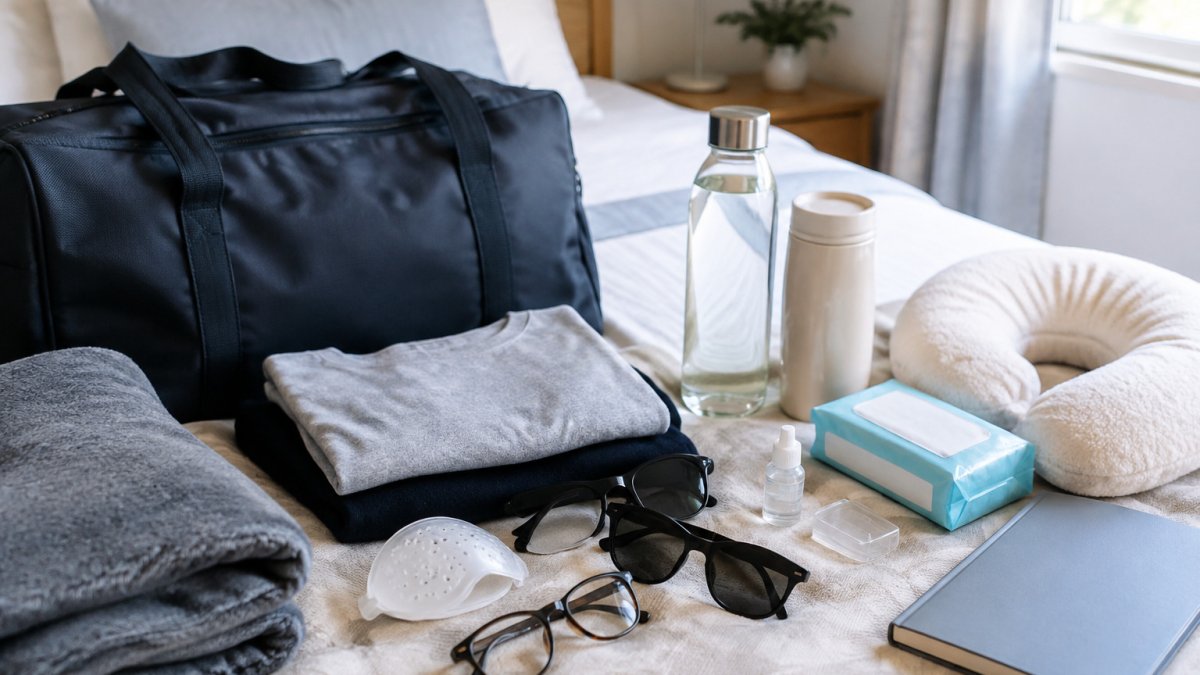
Hospital bag
- Comfortable, loose clothing that buttons or zips at the front, so nothing has to be pulled over your face
- Slip-on shoes or backless slippers, because bending to fasten laces is awkward after surgery
- A water bottle with a straw or sports cap, so you can drink without tilting your head back
- Any medication you already take, in its original packaging, plus a written list of doses
- Your glasses and a hard case, not contact lenses, unless your surgeon advises otherwise
- A phone with your escort’s number saved and a portable charger
- A light cardigan or wrap, as clinics and waiting areas can be cool
Home supplies
- Clean gauze and a clean, soft towel for cool compresses
- A prescribed lubricating eye drop, used exactly as directed
- A spare pillow or two to keep your head raised while you rest
- A cup of cooled boiled water for gentle cleaning, if your surgeon advises it
- A small mirror and a hand mirror, so you can check your eye without straining
- Easy-to-prepare meals, snacks and a refillable water bottle within reach of where you will rest
- A notebook or phone note to record drop times and any symptoms
Travel items
- Sunglasses that wrap around or sit close to the face, for light sensitivity and wind protection
- An escort for the journey home, arranged in advance
- A small bag that sits on your lap, not in the boot of a car
- Tissues and a spare pair of glasses if you wear them
A common mistake is packing too much. Start with the essentials above and add anything your surgeon specifically asks for.
Watch out: do not pack contact lenses, eye make-up or any compress your surgeon has not approved, as these can interfere with healing or introduce infection.
The table below sums up the three packing groups and what each one is for.
| Packing group | Contents | Purpose |
|---|---|---|
| Hospital bag | Loose front-fastening clothing, slip-on shoes, water bottle | Easy dressing and drinking after surgery |
| Home supplies | Gauze, soft towel, prescribed lubricating drops, spare pillows | Cool compresses, eye care and raised resting |
| Travel items | Wraparound sunglasses, escort, bag kept on lap | Light and wind protection, safe journey home |
What to Bring to Hospital for Eyelid Surgery
For eyelid surgery, pack items that make the hospital stay comfortable, including loose clothing that buttons or zips at the front.
Bring your glasses, not contact lenses, unless your surgeon advises otherwise. If you are unsure whether an underlying eyelid or eye condition needs checking before surgery, you can schedule an online consultation with a blepharitis specialist. Remove all make-up before you arrive. Leave valuables at home.
Blepharoplasty Recovery Essentials for the Home
Blepharoplasty recovery at home usually involves rest, cool compresses and careful eye care. Set up your recovery space before you come home.
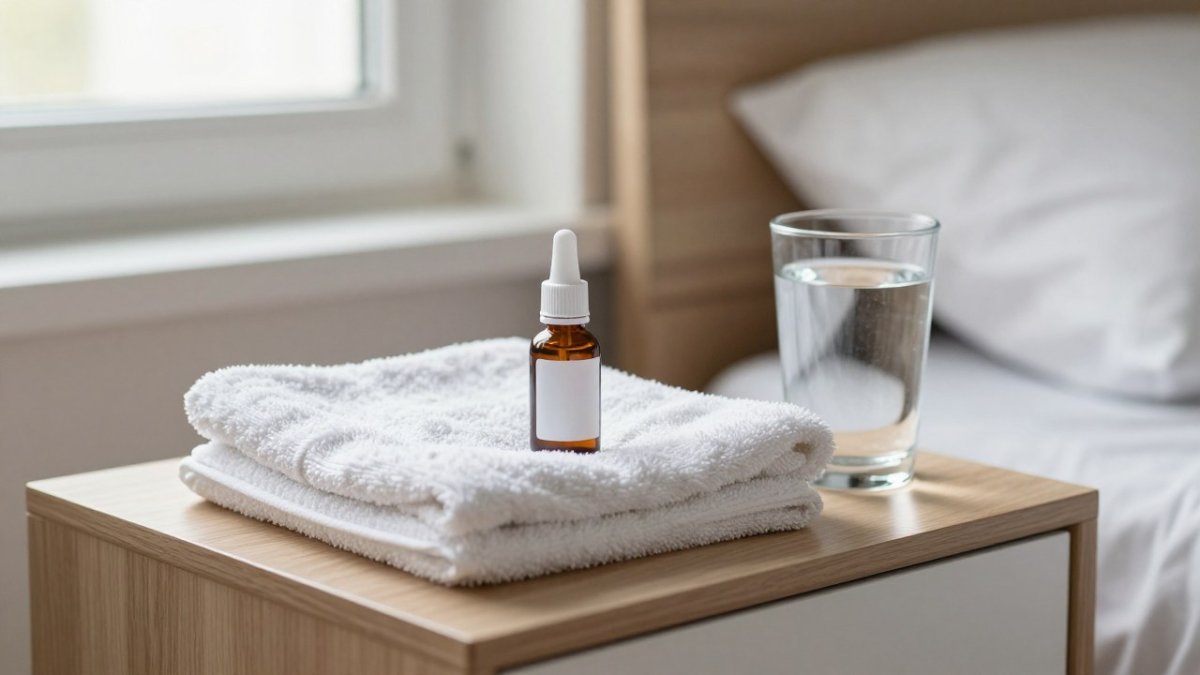
Place these items within easy reach:
- A clean, soft towel and clean gauze for cool compresses
- Prescribed lubricating eye drops, used exactly as directed
- A spare pillow to keep your head raised while you rest
- A cup of cooled boiled water for gentle cleaning, if your surgeon advises it
Swelling and bruising are normal in the first days (the NHS). Contact your clinic straight away if you notice increasing pain, heavy bleeding or changes in your vision. You can also read a week-by-week eyelid surgery recovery timeline to see what to expect at each stage.
Getting Home Safely: Transport Planning After Eye Surgery
Plan your journey home before your procedure. Most patients should not travel alone after eye surgery, and an escort is usually advisable. Sedation, a dilated pupil or a pad over the eye can affect vision and reaction time, so driving yourself is not safe.
Choosing your route
Choose a route that avoids long walks, stairs and busy stations. A short taxi or minicab from the clinic door to your front door is often easier than a train or bus with changes. Ask your escort to check the route in advance and allow extra time.
What to keep with you
Keep your recovery bag on your lap, not in the boot, so you can reach sunglasses, tissues and your phone without twisting. Have your escort carry your house keys and phone while your vision is blurred.
Planning for the first night
Arrange for your escort to stay the first night if your surgeon advises it. Ask the clinic what to do if you have pain, bleeding or a change in vision at home, and save the out-of-hours number. Set up your recovery space before surgery day so you can go straight to a chair or bed with drops, compresses and water within reach. To plan when you can safely resume swimming and exercise, check the sports recovery guide.
If paying for a taxi or minicab, ask for a fixed quote in advance and confirm whether the driver can wait if your appointment overruns.
Watch out: do not assume you will be able to drive home or take a long, multi-change journey on your own; confirm your escort and route before the day, and follow your surgeon’s advice on when it is safe to drive again.
Frequently Asked Questions
What should I pack for eye surgery recovery?
Pack comfortable clothing with a loose top that buttons or zips at the front, so nothing has to be pulled over your face. Include sunglasses for light sensitivity, your prescribed eye drops, any tablets your surgeon has recommended, a clean pillowcase, a soft towel, and a water bottle. Keep your glasses handy, as you may not be able to wear contact lenses for a while. Your surgeon’s written instructions always take precedence over any general list, so check them first.
Can I wear makeup after eye surgery?
Most surgeons advise avoiding eye make-up for at least the first few days, and sometimes longer, to reduce the risk of infection and irritation near the wound. Avoid mascara, eyeliner and eye shadow until your surgeon confirms it is safe. Use fresh, unopened products when you do restart, and remove make-up gently with a clean cloth. Always follow the specific timing your surgical team gives you.
Do I need someone to take me home after eye surgery?
Yes, in most cases you will need an escort. Many eye procedures, including eyelid surgery, involve sedation or local anaesthetic, and vision can be blurred or temporarily affected afterwards. Arrange for a responsible adult to travel with you by taxi or private car, and ideally to stay with you for the first night. Confirm the arrangement with your clinic before the day of surgery.