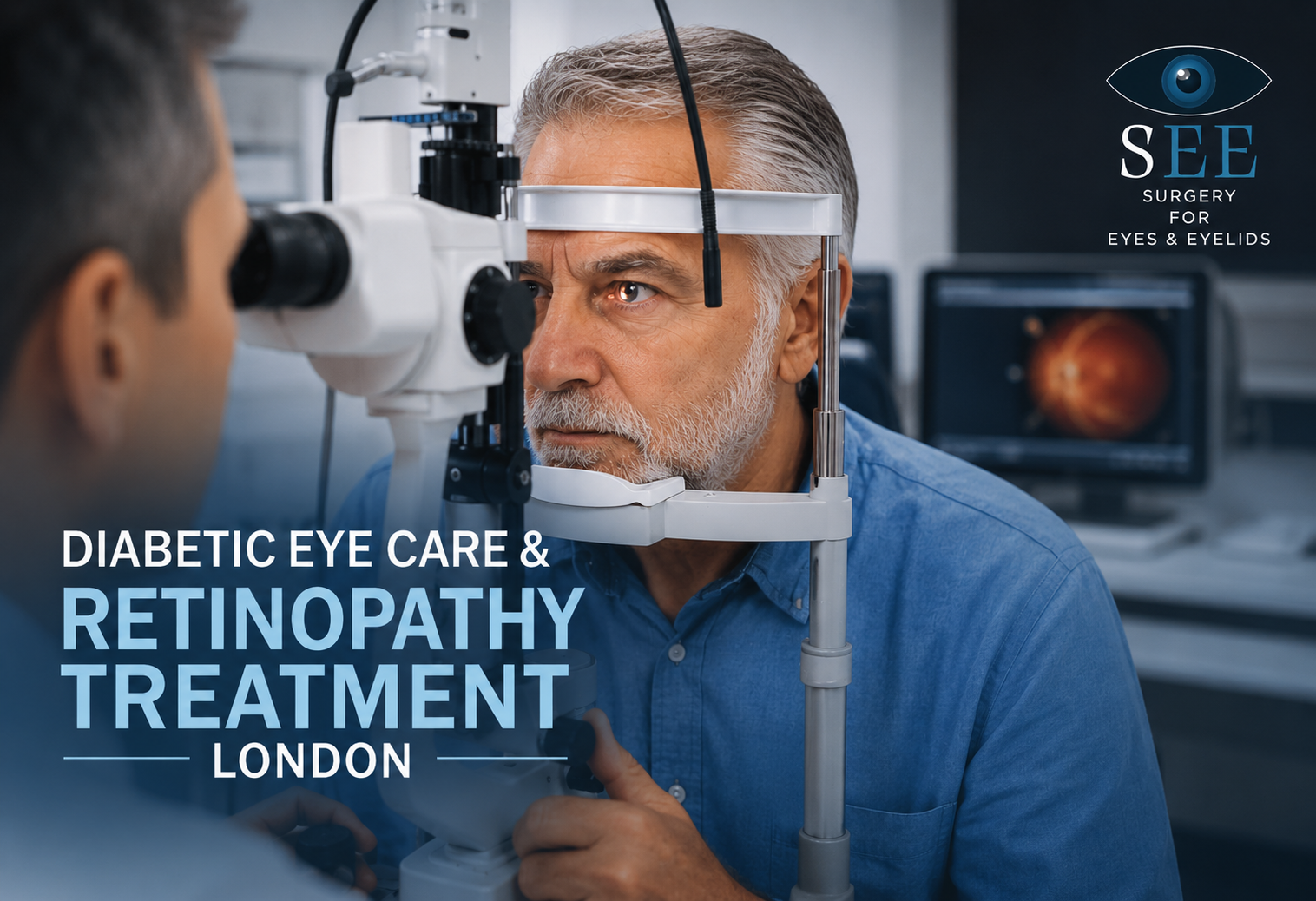
Diabetes can affect much more than blood sugar levels. One of the most serious complications is damage to the eyes, which may develop slowly without obvious symptoms. The good news is that early diagnosis and timely retinopathy treatment can help protect vision and reduce the risk of long-term complications. If you live in London and have diabetes, understanding your options for eye care is an important step towards maintaining healthy sight.
The most effective approach is simple: attend regular eye examinations, monitor changes in your vision, and seek specialist care as soon as any problems are identified. Early action often leads to better outcomes and helps preserve eyesight for years to come.
Why Does Diabetes Affect Eye Health?
Diabetes can damage the tiny blood vessels located in the retina, the light-sensitive tissue at the back of the eye. Over time, high blood sugar levels may weaken these vessels, causing them to leak fluid or bleed.
This condition is known as diabetic retinopathy and is one of the leading causes of vision loss among adults.
Common risk factors include:
- Long-term diabetes
- Poor blood sugar control
- High blood pressure
- High cholesterol
- Smoking
- Pregnancy in diabetic patients
Many people experience no symptoms during the early stages, which makes routine eye examinations especially important.
What Signs Should Never Be Ignored?
Vision changes can happen gradually or suddenly. Seeking professional advice when symptoms appear may help prevent further damage.
Some warning signs include:
- Blurred vision
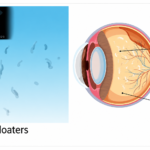
- Dark spots or floaters
- Difficulty reading
- Fluctuating eyesight
- Poor night vision
- Areas of missing vision
A qualified diabetic eye disease specialist can assess these symptoms and recommend the most appropriate treatment pathway. Modern technology and advanced retinopathy care strategies now allow specialists to detect issues much earlier than in the past.
How Is Diabetic Retinopathy Diagnosed?
A complete eye examination is the foundation of effective treatment planning.
Your assessment may include:
- Retinal Imaging
High-resolution photographs provide detailed views of the retina and help monitor disease progression.
- Optical Coherence Tomography (OCT)
This non-invasive scan creates cross-sectional images of retinal layers and identifies swelling or fluid build-up.
- Dilated Eye Examination
Eye drops widen the pupils, allowing specialists to examine the retina thoroughly.
- Fluorescein Angiography
A special dye highlights blood vessels and reveals areas of leakage or abnormal growth.
These diagnostic tools provide valuable information that helps clinicians create personalised treatment plans.
What Treatment Options Are Available Today?
Treatment depends on the severity and stage of the condition. Advances in ophthalmology have significantly improved outcomes for patients across London.
Anti-VEGF Injections
These injections help reduce abnormal blood vessel growth and retinal swelling.
Benefits include:
- Improved vision stability
- Reduced fluid accumulation
- Slower disease progression
- Better long-term retinal health
For many patients, anti-VEGF therapy has become a highly effective solution for managing diabetic eye complications.
Laser Therapy
Laser treatment remains a trusted option for certain forms of diabetic retinopathy.
It can help by:
- Sealing leaking blood vessels
- Reducing retinal swelling
- Preventing further vision loss
- Minimising abnormal vessel growth
Laser procedures are typically performed on an outpatient basis and require minimal recovery time.
When Might Surgery Be Necessary?
In advanced cases, surgery may be recommended to restore or preserve vision.
Vitrectomy surgery removes blood and scar tissue from inside the eye. It is often considered when:
- Significant bleeding occurs
- Scar tissue affects vision
- Retinal detachment develops
- Other treatments are insufficient
Surgical techniques continue to evolve, making procedures safer and recovery periods more manageable than ever before.
How Are Advanced Care Plans Created?
Every patient experiences diabetes differently. A personalised treatment strategy ensures care is tailored to individual needs.
An effective care plan may include:
- Regular retinal monitoring
- Blood sugar management guidance
- Medication reviews
- Lifestyle recommendations
- Ongoing treatment assessments
Modern clinics focus on prevention as well as treatment. A personalised approach often delivers better outcomes and supports long-term eye health.
At SEE, specialists work closely with patients to understand their medical history, current condition, and future risks before recommending treatment options.
Why Is Early Intervention So Important?
Waiting until symptoms become severe can make treatment more challenging.
Early intervention helps:
- Preserve useful vision
- Slow disease progression
- Reduce treatment complexity
- Lower the risk of complications
- Improve overall quality of life
Many patients discover retinal changes during routine examinations before they notice any vision problems. This highlights the value of regular diabetic eye screening.
What Makes Modern Eye Care More Effective?
Technology has transformed the way retinal conditions are diagnosed and managed.
Today’s eye care professionals can use:
- Advanced imaging systems
- Artificial intelligence-assisted analysis
- Precision laser technologies
- Improved injection therapies
- Minimally invasive surgical techniques
These developments allow clinicians to identify disease earlier and provide more targeted treatment solutions.
Patients attending a reputable diabetic retinopathy clinic in London can often benefit from access to these modern diagnostic and treatment tools.
How Can Lifestyle Changes Support Treatment?
Medical treatment works best when combined with healthy lifestyle habits.
Simple steps that can make a difference include:
- Keeping blood sugar within target ranges
- Monitoring blood pressure regularly
- Maintaining healthy cholesterol levels
- Following a balanced diet
- Staying physically active
- Avoiding smoking
- Attending scheduled eye appointments
These actions help reduce stress on retinal blood vessels and support overall eye health.
What Happens After Treatment?
Ongoing monitoring remains an essential part of diabetic eye care.
Follow-up appointments allow specialists to:
- Track retinal changes
- Assess treatment effectiveness
- Adjust care plans when needed
- Detect new complications early
Patients receiving advanced retinopathy care often benefit from structured follow-up schedules designed to maintain long-term visual health.
Consistency is key. Missing appointments may allow retinal changes to progress unnoticed.
Taking the Right Steps for Long-Term Vision Protection
Protecting your eyesight starts with awareness, regular examinations, and timely medical support. Diabetes-related eye conditions can often be managed successfully when detected early and treated appropriately.
Whether you require monitoring, injections, laser therapy, or surgical intervention, modern ophthalmology offers highly effective solutions. At SEE, patients have access to experienced specialists, advanced technology, and personalised treatment pathways designed around individual needs.
If you have diabetes or have noticed changes in your vision, seeking professional advice sooner rather than later can make a significant difference. Early retinopathy treatment remains one of the most effective ways to preserve sight and maintain confidence in daily life.
Key Takeaways:
- Diabetic retinopathy can develop without noticeable symptoms.
- Regular eye examinations help detect problems early.
- Modern diagnostic technology improves treatment planning.
- Anti-VEGF injections and laser therapy are common treatment options.
- Surgery may be required in advanced cases.
- Personalised care plans support better long-term outcomes.
- Healthy lifestyle choices complement medical treatment.
- Early intervention provides the best opportunity to protect vision.
FAQs
SEE recommends that most diabetic patients undergo comprehensive eye examinations at least once a year, although some individuals may require more frequent monitoring.
While the condition cannot always be reversed, early diagnosis and appropriate treatment can effectively manage the disease and help preserve vision.
Most patients report only mild discomfort. Numbing eye drops are used before treatment to improve comfort during the procedure.
Laser procedures are usually completed within a short outpatient appointment, often taking less than an hour from start to finish.
SEE provides complete assessments, advanced diagnostic technology, personalised treatment plans, and ongoing support to help patients manage diabetic eye conditions effectively.