Age-related macular degeneration can slowly affect your central vision, making everyday tasks difficult. The good news is that healthy habits, proper nutrition, and protective eyewear may help reduce progression risks. Many people also explore professional macular degeneration treatment options early to protect long-term eye health.
Vision changes often happen gradually, which is why prevention matters. At SEE, patients are encouraged to combine lifestyle improvements with regular eye care for better protection against AMD progression.
What Is AMD and Why Does It Affect Vision?
Age-related macular degeneration, often called AMD, affects the macula located in the retina’s center. This small part of the eye controls sharp and detailed central vision needed for reading, driving, and recognizing faces.
As people age, the macula can weaken due to oxidative stress and damage from harmful light exposure. Over time, vision may become blurry or distorted.
Common symptoms include:
- Blurred Central Vision: Objects directly ahead appear unclear, making reading, driving, and daily tasks increasingly difficult.
- Reading Small Print: Small letters become harder to read comfortably, especially under dim lighting or prolonged focus periods.
- Dark Vision Spots: Dark or empty areas appear centrally, affecting visibility during normal daily activities and movement.
- Face Recognition Trouble: Recognizing familiar faces becomes challenging because central vision loses sharpness and detailed visual clarity.
- Reduced Color Brightness: Colors may appear faded or dull, reducing visual contrast and overall viewing quality significantly.
Early diagnosis plays an important role in managing symptoms before severe vision loss develops.
- Blurred Central Vision: Objects directly ahead appear unclear, making reading, driving, and daily tasks increasingly difficult.
Can Vitamins Really Help Slow AMD Progression?
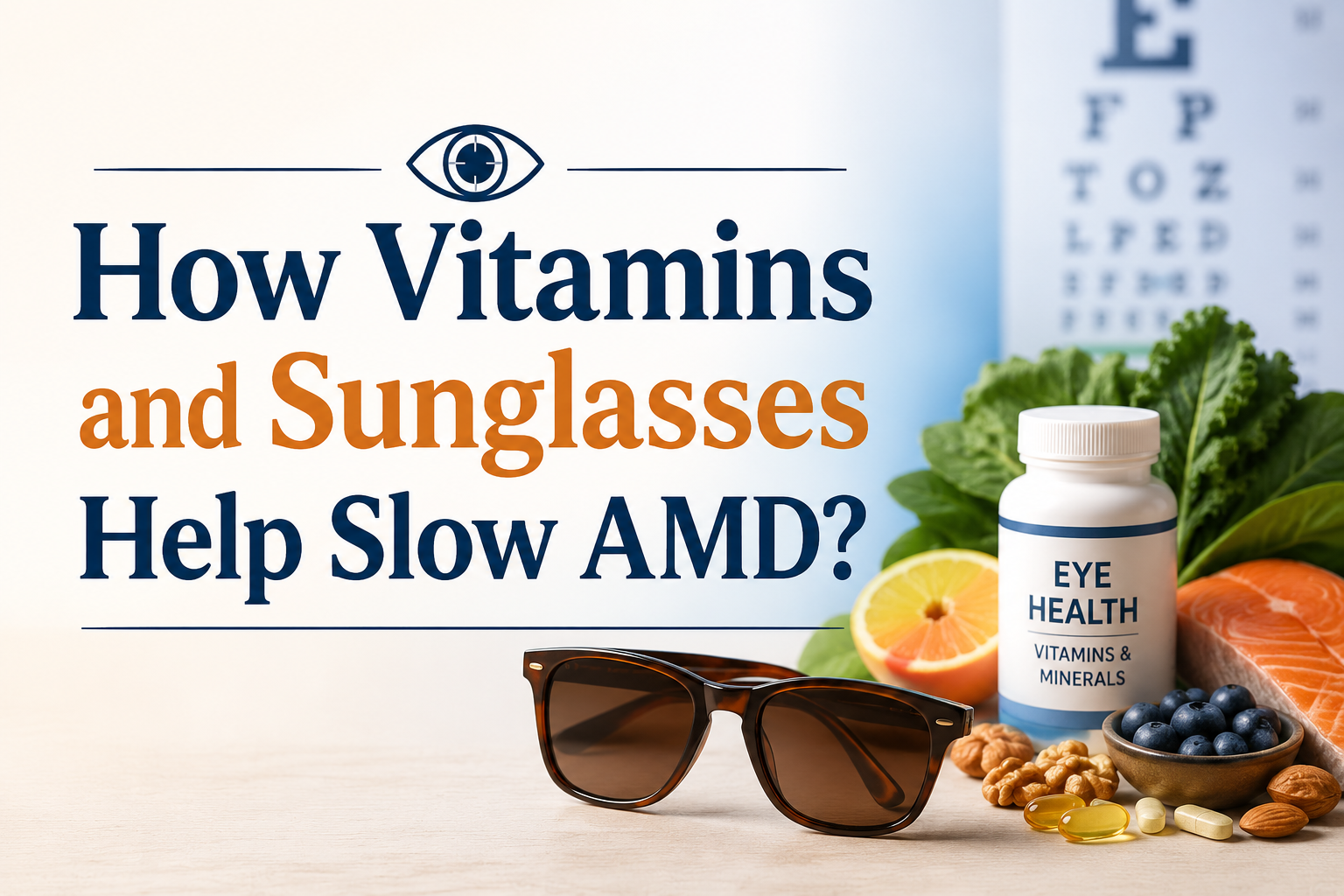
Research shows certain nutrients may support retinal health and reduce oxidative damage inside the eyes. Doctors often recommend nutritional support as part of an AMD disease treatment plan for people with moderate or early-stage AMD.
Specific vitamins and antioxidants may help protect delicate eye tissues from age-related stress. These nutrients support healthy retinal function while slowing cellular damage linked with vision decline.
Helpful nutrients often include:
- Vitamin C Support: Vitamin C helps protect retinal cells against oxidative stress and harmful environmental damage daily.
- Vitamin E Protection: Vitamin E supports healthy eye tissues by reducing damaging free radicals affecting retinal function.
- Zinc Benefits: Zinc helps transport vitamin A efficiently while supporting stronger retinal health and night vision.
- Copper Balance: Copper supports healthy blood vessels while balancing zinc levels for improved retinal tissue protection.
- Lutein Shield: Lutein naturally filters harmful blue light while protecting delicate retinal cells from oxidative damage.
- Zeaxanthin Defense: Zeaxanthin supports central vision health by reducing light-related stress inside sensitive retinal tissues effectively.
- Omega-3 Support: Omega-3 fatty acids help maintain retinal structure while supporting comfortable, healthy long-term vision.
Many specialists include these nutrients alongside professional eye macular degeneration treatment recommendations to help maintain stronger visual function over time.
What Are the Various Kinds of Eyelid Surgeries?
Upper Blepharoplasty
The upper blepharoplasty in London targets the upper eyelid, where excessive skin forms with time. The formation of such skin leads to a condition known as hooding, which might impair vision at a later stage. The process involves making an incision along the crease of the upper eyelid by a blepharoplasty surgeon in London. The skin is then removed from the eyelid to restore its normal appearance and ensure that the vision is clear.
The upper blepharoplasty procedure is recommended for those who have:
- Heavy upper eyelids
- Limited vision caused by excessive eyelid skin
- Droopy upper eyelids
Lower Blepharoplasty
Lower blepharoplasty in London is done to treat fat protrusion, lax skin, and edema in the undereye region that creates the condition of puffy bags around the eye or dark hollows beneath the eyes. The experienced blepharoplasty surgeon in London helps solve this problem through removal or redistribution of fat deposits and tightens the underlying muscles.
Indications for lower blepharoplasty surgery include:
- Presence of puffy bags under the eyes even after rest
- Development of darkening or hollows under the eyes
- Loose skin under the lower eyelid
Upper and Lower Blepharoplasty Combined
A select number of patients may require treatment on both eyelids together. By performing the operation in this manner, the most rejuvenation is achieved in the eye region, and there is less time spent on recovery than when undergoing two operations separately.
Benefits of Cosmetic Eye Surgery
Cosmetic eye surgery in London offers outcomes that surpass aesthetic improvements. Some of the best benefits of cosmetic eye surgery include:
- Enhanced vision: By removing excess skin above the eyelids, you gain an extended range of vision.
- Youthfulness: Your youthfulness will increase with skin tightening and removal of the dark circles under the eyes.
- Confidence: There have been some patients who claimed that their self-confidence increased when they were surrounded by other people.
- Sustainable effects: You can enjoy the benefits of blepharoplasty for several years if you maintain your overall health after surgery in London.
- Scar-free healing process: The placement of the scars is natural to the eye area structure.
- Fast recovery process: Patients start doing their normal activities within a week.
Which Foods Naturally Support Eye Health?
Healthy eating habits can improve overall eye wellness and provide nutrients linked with retinal protection. A balanced diet filled with colorful foods supports long-term visual health.
- Leafy Green Vegetables
Spinach, kale, and collard greens contain lutein and zeaxanthin. These antioxidants help filter harmful blue light naturally.
- Fatty Fish
Salmon, tuna, and sardines provide omega-3 fatty acids that support retinal structure and moisture balance inside the eyes.
- Citrus Fruits
Oranges, lemons, and grapefruits contain vitamin C, which helps fight oxidative stress, damaging retinal tissues.
- Nuts and Seeds
Almonds, sunflower seeds, and walnuts contain vitamin E and healthy fats supporting healthy eye cells.
- Colorful Vegetables
Bell peppers, carrots, and sweet potatoes contain carotenoids that support healthy vision and retinal performance.
Why Are Sunglasses Important for AMD Protection?
Sunlight contains ultraviolet rays and high-energy blue light that may contribute to retinal damage over time. Long-term exposure can increase oxidative stress, affecting sensitive eye tissues.
Quality sunglasses act as a protective barrier against harmful environmental exposure. Wearing them consistently outdoors may help reduce eye strain and slow damage progression.
Protective sunglasses should include:
- 100% UV protection
- Polarized lenses
- Wide frame coverage
- Blue-light filtering technology
- Comfortable all-day fit
People often overlook sun protection during cloudy weather, but UV rays can still reach the eyes year-round.
How Does Blue Light Affect the Retina?
Blue light exposure comes from sunlight, digital screens, phones, and artificial indoor lighting. Extended exposure may contribute to retinal stress over time.
Although research continues, many eye specialists recommend limiting unnecessary blue light exposure whenever possible.
Simple protective habits include:
- Wearing blue-light filtering sunglasses outdoors
- Reducing screen brightness indoors
- Taking screen breaks every 20 minutes
- Using nighttime display settings
- Avoiding screens before sleep
Combining these habits with regular eye monitoring may support healthier long-term vision.
Are Lifestyle Habits Connected to AMD Risk?
Daily habits strongly influence overall eye health. Healthy lifestyle choices may reduce inflammation and support retinal function naturally.
- Stop Smoking: Smoking increases oxidative stress and reduces oxygen supply to retinal tissues, worsening AMD progression risks significantly.
- Exercise Regularly: Physical activity supports healthy circulation, helping nutrients and oxygen reach delicate eye tissues efficiently.
- Control Blood Pressure: High blood pressure may damage blood vessels connected to the retina and worsen vision complications over time.
- Maintain Healthy Weight: Balanced weight management may lower inflammation levels linked with several age-related eye conditions.
- Schedule Eye Exams: Routine examinations help doctors monitor retinal changes early, before severe symptoms develop.
What Type of Sunglasses Work Best for AMD?
Not all sunglasses provide the same level of eye protection. Choosing high-quality lenses matters when protecting retinal health.
Look for sunglasses offering:
- Full UV Protection
Complete UVA and UVB protection helps shield sensitive eyes from harmful sunlight damage daily.
- Wraparound Coverage
Wraparound frames reduce side light exposure, offering better protection during bright outdoor activities consistently.
- Anti-Glare Coating
Anti-glare coatings improve visual clarity by reducing reflections, causing discomfort during daytime outdoor activities.
- Polarized Comfort
Polarized lenses reduce harsh glare from roads, water, and reflective surfaces during outdoor activities.
- Scratch-Resistant Durability
Scratch-resistant lenses stay clearer longer, helping sunglasses maintain performance through regular daily outdoor use.
Patients receiving macular degeneration treatment often benefit from discussing lens options with eye care professionals for personalized recommendations.
Can Supplements Replace Healthy Habits?
Supplements may support eye health, but they work best alongside healthy daily routines. Vitamins alone cannot completely stop AMD progression without additional protective habits.
Good eye care should include:
- Nutritious eating
- Sun protection
- Routine eye exams
- Smoking avoidance
- Proper hydration
- Physical activity
Combining these strategies creates stronger long-term support for retinal wellness.
When Should Someone See an Eye Specialist?
Many people ignore early vision changes because symptoms appear slowly. However, prompt care can improve long-term management outcomes.
Seek professional help if you notice:
- Straight lines appear wavy
- Difficulty reading
- Sudden blurry vision
- Dark spots in central vision
- Trouble adapting to dim lighting
Early professional support may improve outcomes related to eye macular degeneration treatment and vision preservation strategies.
How Can Daily Eye Protection Become Easier?
Small changes in daily routines can make eye protection more consistent and effective. Long-term habits often produce the best results.
Helpful daily practices include:
- Keeping sunglasses inside the car
- Wearing hats outdoors
- Drinking enough water
- Eating leafy vegetables daily
- Limiting excessive screen time
- Scheduling yearly eye exams
The SEE Clinic, patients are encouraged to take preventive eye care seriously before symptoms worsen.
Key Takeaways:
- Vitamins may help reduce oxidative stress linked with AMD progression
- Sunglasses protect retinal tissues from harmful UV exposure
- Healthy eating supports stronger long-term eye function
- Regular eye exams help detect changes earlier
- Lifestyle habits influence overall retinal health significantly
- Blue-light protection may reduce unnecessary eye strain
- Consistent protection often supports better vision preservation
Frequently Asked Questions.
Can sunglasses really slow AMD progression?
Sunglasses may reduce harmful UV exposure that contributes to retinal stress and long-term eye damage.
Which vitamins are commonly recommended for AMD?
Vitamin C, vitamin E, zinc, lutein, and zeaxanthin are commonly recommended for retinal support.
Is AMD completely curable?
AMD currently has no complete cure, but early care may help slow progression effectively.
How often should someone with AMD get eye exams?
Most specialists recommend yearly exams, though some patients may require more frequent monitoring appointments.
Where can patients learn more about AMD support options?
Patients can explore vision care guidance and professional macular degeneration treatment support through SEE.