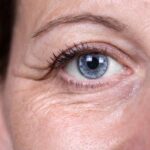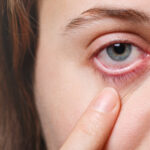
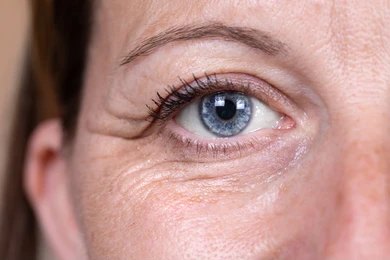
Also known as ptosis or blepharoptosis, droopy eyelids are a common eye concern in which the upper eyelid sags over the eye, sometimes covering part of the pupil. Not only can droopy eyelids affect your appearance, but they can also make it harder to see clearly.
Since droopy eyelids can develop due to ageing, weak eyelid muscles, or other eye problems, knowing what causes them is vital. Not to mention, severe eyelid drooping can affect your upper field of vision and make daily tasks more difficult.
By learning how to fix droopy eyelids without surgery, you can explore suitable treatment options and take better care of your eyes.
5 Ways to Fix Droopy Eyelids Without Surgery
While droopy eyelids can be difficult to manage, it is possible to improve their appearance without surgery in some cases. By choosing the right treatment based on the cause of the drooping, you can help reduce eyelid heaviness and improve eye comfort.
Here are five ways to fix droopy eyelids without surgery.
Eye Drops
Certain prescription eye drops can help lift droopy upper eyelids. These drops work by stimulating a small muscle that helps raise the eyelid. This allows the eyelid to open a little wider and improves the appearance of the eye.
One such medicine is oxymetazoline, which is used to treat some cases of acquired ptosis in adults. However, these drops do not work for every type of droopy eyelid. Their effects may also last only for a limited time, so regular use may be needed.
Since the right eye drops depend on the cause of the drooping, it is important to consult an eye specialist before using them.
Treating Underlying Eye Conditions
In some cases, droopy-looking eyelids may be linked to an underlying eye problem. Inflammation, infection, or swelling around the eyelids can make them appear heavier or lower than usual.
Treating the condition that causes the swelling may help improve the eyelid’s appearance. For example, managing eyelid inflammation or treating an infection can help reduce puffiness and discomfort.
However, if the eyelid drooping is caused by a stretched or weakened eyelid muscle, treating swelling alone will not correct the problem. Finding the actual cause is important for choosing the right care.
Eyelid Exercises
Some people try eyelid exercises to improve muscle control and reduce drooping. These may include gently raising the eyebrows, blinking, or holding the eyes open for short periods.
However, there is no strong evidence that eyelid exercises can fix ptosis. This is because true droopy eyelids often involve a weakened or stretched muscle that lifts the upper eyelid. Simple exercises cannot repair this muscle or restore its normal position.
Although gentle eye movements may help with general eye comfort, they should not be seen as a treatment for ptosis. An eye specialist can help determine whether other treatment options are needed.
Managing Allergies and Eyelid Swelling
Allergies can cause itching, redness, and swelling around the eyes. When the eyelids become puffy, they may look heavy or droopy.
Avoiding known allergy triggers can help reduce these symptoms. Using a clean, cool compress over closed eyes may also help ease mild swelling. If allergies continue to cause discomfort, suitable allergy treatment may help control the symptoms.
However, allergy-related swelling is not the same as true ptosis. If the eyelid continues to droop after the swelling settles, an eye check may be needed to find the cause.
Using Temporary Eyelid Supports
Temporary eyelid supports can help lift a drooping eyelid without surgery. Eyelid crutches are small support devices that attach to glasses and help hold the upper eyelid in a raised position.
Some people also use eyelid tape to hold the skin in place and create a more open appearance. However, this mainly helps with loose or excess eyelid skin and does not correct the muscle problem linked to ptosis.
These options may offer short-term support, but they do not treat the underlying cause of droopy eyelids. It is best to seek advice from an eye specialist before using any eyelid support.
When Is Surgery Needed for Droopy Eyelids?
Although non-surgical options may help manage some cases of droopy eyelids, they cannot correct every type of ptosis. If the eyelid muscle is weak or has become stretched, surgery may be needed to restore its position.
Blepharoptosis surgery focuses on lifting the upper eyelid by adjusting the muscle that helps keep it open. If excess skin is also present, the surgeon may remove some of it during treatment.
Surgery may be considered when droopy eyelids:
- Cover part of the pupil and affect vision.
- Make it difficult to read, drive, or carry out daily tasks.
- Cause frequent brow strain or headaches.
- Continue to droop despite suitable non-surgical care.
The right treatment depends on the cause and severity of the condition. An eye specialist can assess the eyelid, check your vision, and recommend suitable care.
It is also important to seek urgent medical advice if an eyelid droops suddenly, especially when it occurs with double vision, eye pain, or a severe headache. Sudden drooping can sometimes point to a serious health problem.
Conclusion
While droopy eyelids often need surgery for proper correction, it is possible to manage some cases without an operation. By understanding the cause of the drooping and exploring suitable treatment options, you can improve eye comfort and address eyelid concerns.
However, in more severe cases, non-surgical treatments may not be enough to correct the eyelid position. Seeking advice from an eye specialist can help determine whether surgery is needed.
Are you concerned about droopy eyelids or changes in your upper field of vision? The SEE Clinic offers specialist eye care to assess droopy eyelids, identify their cause, and guide patients towards suitable treatment.
Looking for the Right Treatment for Droopy Eyelids?
Concerned about droopy eyelids, hooded eyes, or changes in your vision? The right treatment depends on the cause and severity of your eyelid concerns. The SEE Clinic offers specialist eye care to assess eyelid drooping, explore suitable non-surgical treatment options, and determine whether eyelid surgery may be appropriate. Speak with our experienced team to find out more about your treatment options.
Book Your Specialist Eyelid ConsultationFrequently Asked Questions
Can eyelid exercises fix droopy eyelids?
No. Eyelid exercises cannot fix true ptosis because the condition often involves a weak or stretched muscle that lifts the upper eyelid. While gentle eye movements may help with general eye comfort, they cannot repair the affected muscle or restore the eyelid’s normal position.
Can droopy eyelids affect vision?
Yes. Droopy eyelids can affect vision when the upper eyelid covers part of the pupil. This can reduce the upper field of vision and make activities such as reading and driving more difficult. Some people may also raise their eyebrows or tilt their heads back to see more clearly.
Can allergies make eyelids look droopy?
Yes. Allergies can cause swelling, itching, and puffiness around the eyes. This can make the eyelids look heavy or droopy. However, allergy-related swelling is different from ptosis, which involves the position of the upper eyelid.
Are droopy eyelids the same as hooded eyes?
No. Droopy eyelids and hooded eyes are two different conditions. Ptosis occurs when the upper eyelid sits lower than its normal position due to problems with the eyelid muscle or its nerve supply. Hooded eyes occur when excess skin folds over the upper eyelid, making the eyes look smaller. Both can affect appearance, but they may need different treatments.