If blurry vision is making daily life difficult, the solution is simpler than you might think. Modern cataract care is fast, safe, and highly effective. With advanced techniques available today, most people regain clear vision within days.
If you’re considering cataract treatment in London, understanding the process, recovery, and expected results can help you make a confident decision.
What Are Cataracts and Why Do They Develop?
Cataracts occur when the natural lens of your eye becomes cloudy over time. This cloudiness blocks light, leading to blurred or dim vision.
Common causes include:
Aging as Primary Cause
Natural aging causes lens proteins to break down, leading to the gradual cloudiness formation.
Diabetes and Health Conditions
Medical conditions like diabetes increase sugar levels, accelerating lens damage and cataract development.
UV Light Exposure Risk
Prolonged sunlight exposure damages eye lens proteins, increasing the risk of cataracts over time.
Eye Injuries or Surgeries
Past eye trauma or surgeries can disrupt lens clarity, causing cataracts to develop earlier.
Steroid Medication Effects
Long-term steroid use can alter eye chemistry, increasing the likelihood of cataract formation significantly.
Typical symptoms:
- Blurry or cloudy vision
- Sensitivity to light
- Difficulty seeing at night
- Faded or yellowed colors
Cataracts develop gradually, which is why early detection is important.
How Does Cataract Treatment Work?
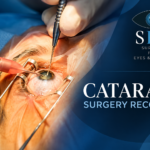
Modern cataract treatment is focused on removing the cloudy lens and replacing it with a clear artificial lens.
In today’s clinics, the most common approach is:
Phacoemulsification Procedure
A modern cataract removal technique that uses ultrasound technology to break and remove the cloudy lens, usually completed within twenty minutes, with high safety and effectiveness.
Tiny Eye Incision
A very small incision is carefully made in the eye, allowing surgical tools to enter while promoting faster healing and reducing the need for stitches after surgery.
Ultrasound Lens Breakdown
Ultrasound energy is used to break the cloudy natural lens into tiny fragments, making it easier to remove safely without affecting the surrounding eye tissues.
Gentle Lens Removal
The fragmented lens pieces are gently suctioned out of the eye, ensuring minimal discomfort and protecting delicate eye structures during the entire cataract procedure.
Artificial Lens Placement
A clear artificial intraocular lens is inserted into the eye, replacing the removed lens and helping restore sharp, clear vision for long-term visual improvement.
This advanced method of eye cataract treatment is quick, precise, and minimally invasive.
Patients are usually awake during the procedure but feel no pain due to local anesthesia. The procedure is also referred to as cataract treatment surgery, and it has a very high success rate worldwide.
Why Choose Cataract Care in London?
London is known for its advanced medical infrastructure and experienced specialists.
Key benefits include:
- Advanced Surgical Technology: Patients benefit from advanced tools like laser-assisted systems, ensuring precise procedures, faster recovery times, improved safety, and consistently better visual outcomes.
- Expert Eye Specialists: Experienced specialists perform surgeries with accuracy and care, reducing risks, improving success rates, and ensuring patients feel confident throughout the entire treatment journey.
- Tailored Treatment Plans: Each patient receives a tailored approach based on eye condition, lifestyle, and vision goals, helping achieve more accurate results and long-term satisfaction.
- High-Quality Lens Options: Advanced intraocular lenses correct vision issues like astigmatism or presbyopia, reducing dependency on glasses and delivering clearer, sharper vision after surgery.
In the middle of your journey, choosing the right clinic for cataract treatment in London ensures better safety and results.
What Happens Before the Surgery?
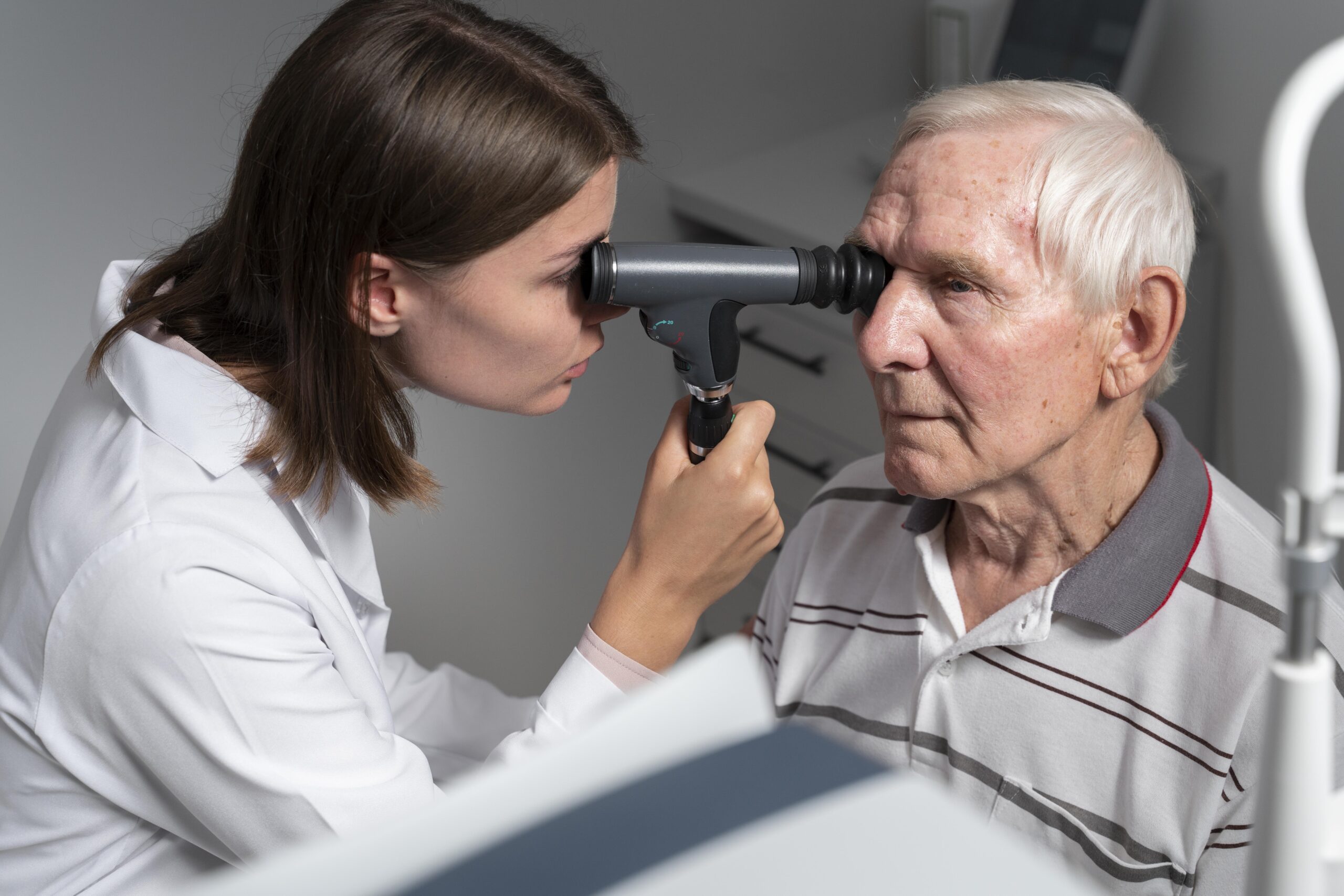
Before surgery, your eye specialist will perform detailed tests.
These typically include:
- Vision Clarity Check: Measures how clearly you see at different distances using standard eye charts.
- Eye Pressure Test: Checks internal eye pressure to detect risks like glaucoma before surgery planning.
- Lens Condition Review: Examines the cloudiness level of the lens to confirm cataract severity and treatment need.
- Retina Health Scan: Evaluates retina condition to ensure no underlying issues affecting vision or recovery.
You may also discuss lens options such as:
- Monofocal lenses (for distance vision): Provide clear vision at one distance, usually far, requiring glasses for reading.
- Multifocal lenses (for near and far vision): Allow both near and distant vision, reducing dependence on glasses for daily activities.
- Toric lenses (for astigmatism correction): Correct astigmatism by reshaping focus, improving clarity, and reducing blurred or distorted vision.
Proper planning helps ensure the best visual outcome.
What Is the Procedure Like?
The surgery itself is simple and efficient.
Here’s what usually happens:
Same-Day Arrival: You arrive at the clinic, complete formalities, and prepare calmly for surgery.
Numbing Eye Drops: Special eye drops are applied to numb the eye and prevent discomfort.
Tiny Incision: A very small incision is carefully made to access the cloudy lens.
Lens Removal: The surgeon gently breaks and removes the cloudy lens using ultrasound technology.
Artificial Lens Placement: A clear artificial lens is inserted to restore vision and improve overall clarity.
The entire cataract treatment surgery process typically takes about 20 minutes.
There are no stitches required, and patients usually go home the same day.
How Long Does Recovery Take?
Recovery is quick for most patients.
Here’s what to expect:
- Vision starts improving within 24–48 hours
- Mild discomfort or irritation for a few days
- Full recovery in 2–4 weeks
After the procedure:
- Use prescribed eye drops regularly
- Avoid rubbing your eyes
- Wear protective eyewear if advised
- Avoid heavy lifting for a short period
Following these steps ensures smooth healing.
What Results Can You Expect?
The results of cataract procedures are highly positive.
Most patients experience:
- Clearer and sharper vision
- Improved color perception
- Reduced glare and halos
- Better quality of life
In the middle of your recovery journey, you’ll notice how effective cataract treatment can be in restoring daily comfort and independence.
Are There Any Risks?
Like any medical procedure, cataract surgery has minimal risks, but complications are rare.
Possible risks include:
- Infection
- Swelling
- Temporary vision changes
- Sensitivity to light
However, with experienced surgeons and modern technology, the success rate is extremely high.
How to Choose the Right Clinic?
Selecting the right provider is crucial.
Look for:
Experienced Eye Specialists
Choose surgeons with proven expertise, certifications, and strong track records in cataract procedures.
Advanced Surgical Equipment
Ensure the clinic uses modern technology for precision, safety, faster procedures, and improved outcomes.
Transparent Consultation Process
Look for clear explanations, honest advice, pricing details, and personalized treatment plans upfront.
Positive Patient Reviews
Check genuine testimonials reflecting patient satisfaction, successful outcomes, and overall clinic experience quality.
Post-Surgery Care Support
Confirm follow-up care, guidance, and support to ensure smooth recovery and optimal healing.
Clinics like SEE focus on delivering patient-centered care with modern techniques and experienced professionals.
How Much Does It Cost?
The cost can vary depending on:
- Type of lens selected
- Clinic reputation
- Technology used
- Surgeon expertise
While NHS options may be available, private clinics often provide faster access and premium lens choices.
What Questions Should You Ask Before Surgery?
Before proceeding, ask your doctor:
- Which lens is best for my lifestyle?
- How long will recovery take?
- Are there any risks in my case?
- What results can I realistically expect?
- What aftercare will be provided?
These questions help you feel informed and prepared.
Practical Steps to Take Today
If cataracts are affecting your life, here’s what you can do next:
- Book an Eye Examination: Schedule a comprehensive eye checkup early to detect cataracts and assess overall vision health.
- Discuss Treatment Options: Consult a specialist to understand suitable procedures, lens choices, and personalized treatment recommendations clearly.
- Compare Clinics and Services: Research clinics, compare expertise, technology, reviews, and patient care quality before the final decision.
- Understand Costs and Recovery: Review total costs, insurance coverage, and realistic recovery expectations to avoid surprises later.
- Plan Your Surgery Timeline: Choose a convenient surgery date, allowing time for preparation, recovery, and follow-up visits.
Taking early action leads to better outcomes.
Ready to See Clearly Again?
Clear vision can transform your daily life—from reading and driving to enjoying simple moments. With modern solutions available, there’s no need to live with blurry sight.
If you’re considering cataract treatment in London, now is the perfect time to take the first step toward better vision with trusted care and expert guidance.
Key Takeaways:
- Cataracts cause cloudy vision but are treatable with modern procedures
- Surgery is quick, safe, and usually completed within 20 minutes
- Recovery is fast, with noticeable improvement in a few days
- Choosing the right clinic improves safety and results
- Advanced lens options can enhance long-term vision quality
Frequently Asked Questions.
How long does cataract surgery take at SEE?
The procedure usually takes around 20 minutes, and patients return home the same day.
Is cataract surgery painful?
No, the surgery is painless as local anesthesia is used to numb the eye.
When can I return to normal activities?
Most patients resume normal activities within a few days, with full recovery in weeks.
Does SEE offer advanced lens options?
Yes, SEE provides a range of modern lens options tailored to individual vision needs.
Is the result permanent?
Yes, the artificial lens lasts a lifetime, and cataracts do not return after surgery.