
Last Updated: November 27, 2026
Quick Summary
Getting prescription refills after eye surgery abroad usually means contacting your surgeon’s team first, then arranging a local check-up if your medication runs out. Prescription refills are rarely issued across borders without a clinician’s input, so plan before you travel. Eyesandeyelids can help you prepare for this.
- Keep a written list of each medicine, its strength, and how often you use it
- Save digital copies of your discharge letter and prescriptions
- Carry eye drops in your hand luggage in their original packaging
- Ask your surgeon’s team to confirm what can be supplied before relying on it
- Book your UK follow-up care as early as possible after returning home
Table of Contents
- How Do I Get a Prescription Refill After Eye Surgery Abroad?
- Eye Drops After Surgery Abroad: What to Check Before You Travel Home
- Booking Your Next Eye Surgery Follow-Up Care in the UK
- Frequently Asked Questions
How Do I Get a Prescription Refill After Eye Surgery Abroad?
Getting a prescription refill after eye surgery abroad usually means contacting your surgeon’s team first, then arranging a local check-up if your medication runs out, since prescription refills are rarely issued across borders without a clinician’s input. Eyesandeyelids can help you plan this before you travel, so your post-operative eye care does not stop when you return to the UK. You can read Choosing an Eye Surgeon for Remote Follow-Up Care to see what to look for in a surgeon who supports you from a distance.
Start by gathering the details your surgeon has already given you. Keep a written list of each medicine, its strength, how often you use it, and when your course ends. This makes any refill request faster and clearer.
- Note the name and strength of every eye drop or tablet
- Record the dose and the schedule you follow
- Keep your surgeon’s contact details and clinic address
- Save digital copies of your discharge letter and prescriptions
Asking your surgeon for a written summary before you leave is a sensible step, because a clear summary makes prescription refills far easier to arrange. The step-by-step plan for managing post-operative eye care from abroad walks you through each stage. A clear summary helps a local pharmacist or clinician understand what you need. Prescription rules differ between countries, so confirm what is accepted before you rely on it.
Eye Drops After Surgery Abroad: What to Check Before You Travel Home
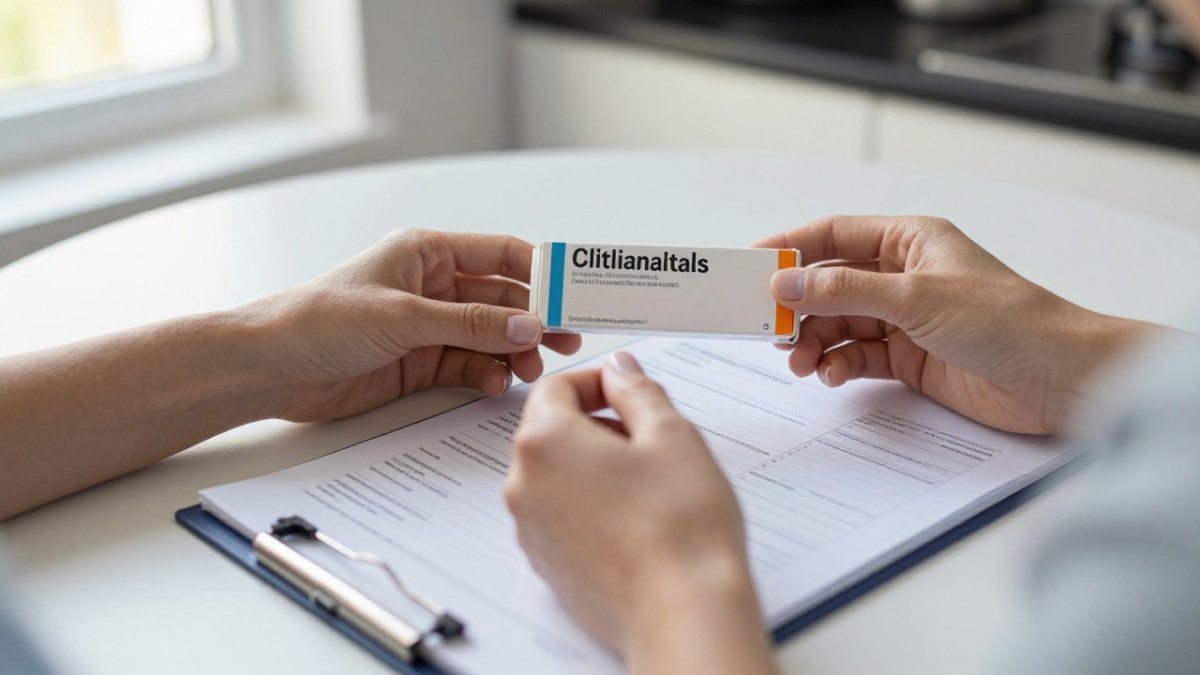
Before you travel home, confirm that you have enough eye drops for the journey and for the period until your next appointment. Carry them in your hand luggage, in their original packaging, with the prescription label visible. Our guide to virtual consultations after eye surgery explains what remote follow-up involves before you leave.
Watch out: do not assume a local pharmacy will refill an overseas prescription. Ask your surgeon’s team to confirm what can be supplied.
Booking Your Next Eye Surgery Follow-Up Care in the UK
Once you are home, book your follow-up care as early as possible. Find out whether you can use private medical insurance for your eyes to help cover these costs. Eyesandeyelids offers consultant-led assessments at our London clinics, led by senior consultant ophthalmologists.
To book, call us on 0796 153 9859. If you are travelling from abroad, our guide on how to travel to London for elective eye surgery covers the practical steps.
Looking for consultant-led eye care in London? Call us on 0796 153 9859 to arrange your follow-up.
Frequently Asked Questions
Can a UK clinician prescribe eye drops recommended by a surgeon overseas?
A UK GP or optometrist may be willing to continue a treatment started abroad, but they are not obliged to. They will usually want the surgeon’s discharge letter, the name and strength of each drop, the dosage schedule and how long the course should last. Bring these documents to your appointment and ask your clinician to confirm the plan. If they decline, contact the overseas clinic for clarification and ask whether they can send the records directly.
What should I do if I run out of eye drops after surgery?
Do not wait until the bottle is empty. Contact your GP surgery or an eye clinic as soon as you notice the supply running low, and ask for a repeat prescription or a short bridging supply. Keep the original packaging and your discharge paperwork to show the pharmacist. If you have sudden pain, redness, or changes in vision, seek urgent medical help rather than waiting for a refill.
What records should I request from an overseas eye clinic?
Ask for a copy of your operation notes, a discharge summary, the full list of medicines with names, strengths and dosages, and the surgeon’s contact details. Request a note of any follow-up appointments that were planned. Having these records in English and kept with you when you travel makes it much easier for a UK clinician to continue your care safely.