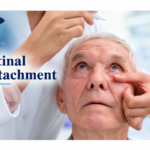
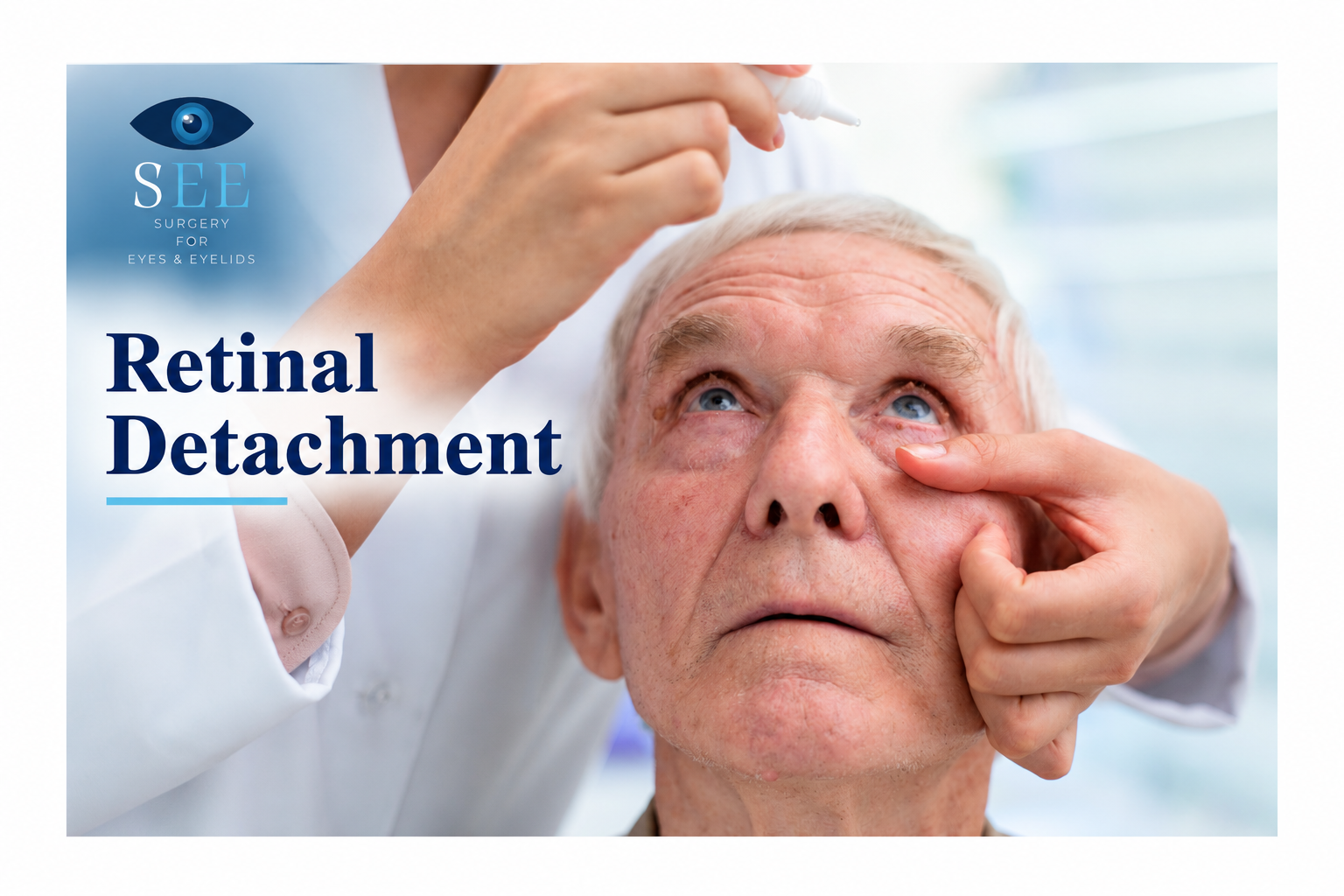
Also known as a detached retina, retinal detachment is a serious eye condition in which the retina separates from the back of the eye, which can lead to vision loss. Not only can it affect clear vision, but it can also affect your ability to see light and movement.
A retinal tear or hole is the most common cause of retinal detachment. Age-related changes in the vitreous gel, which is the clear, jelly-like substance inside the eye, can cause the gel to pull on the retina and create a tear. If fluid passes through the tear, it can collect behind the retina and cause it to separate from the back of the eye.
By understanding the retinal detachment causes and its warning signs, you can seek timely eye care and help protect your vision.
What Is Retinal Detachment?
The retina is a thin layer of tissue at the back of the eye. It senses light and sends signals to the brain, which helps you see shapes, colours, and movement.
Retinal detachment occurs when the retina pulls away from the layer beneath it. This can stop parts of the retina from getting the blood and oxygen they need to work properly. As a result, vision can become blurred or may be lost in part of the visual field.
Retinal detachment can happen for different reasons. The most common type starts with a tear or hole in the retina. Other types can happen when scar tissue pulls on the retina or when fluid builds up behind it without a tear.
Because retinal detachment can cause lasting vision loss, sudden changes in vision should not be ignored. Early eye care can help find the problem and allow treatment to begin as soon as possible.
What Is the Most Common Cause of Retinal Detachment?
The most common cause of retinal detachment is a retinal tear or hole. This often happens due to age-related changes in the vitreous, the clear gel that fills the inside of the eye.
As a person gets older, the vitreous can become more watery and may pull away from the retina. This is known as a posterior vitreous detachment. In many people, this change does not cause a serious problem. However, if the vitreous pulls too hard on a weak area of the retina, it can create a tear or hole.
Once a tear forms, fluid from inside the eye can pass through it and collect behind the retina. The fluid can then push the retina away from the back of the eye, causing retinal detachment.
This type of retinal detachment is called rhegmatogenous retinal detachment.
A retinal tear does not always mean that the retina has detached. If a tear is found early, an eye specialist may be able to treat it before it leads to retinal detachment. By recognising the early signs of retinal detachment, you can seek prompt care and protect your eyesight.
Common Warning Signs of Retinal Detachment
While retinal detachment can be difficult to notice at first, it is still possible to spot early signs of the condition. These signs can appear suddenly and may change as the retina starts to detach.
Here are some common signs of retinal detachment:
Sudden Increase in Floaters
One of the most common signs of retinal detachment is a sudden increase in eye floaters. These are small spots, lines, or shapes that seem to move across your vision. While a few floaters can be normal, a sudden increase may point to a retinal tear or another eye problem.
Flashes of Light
In addition to a sudden increase in floaters, flashes of light can also be a sign of retinal detachment. These flashes may look like small bursts or streaks of light, often near the side of your vision. They can happen when the vitreous pulls on the retina and may come and go.
Dark Curtain or Shadow
Some people with retinal detachment notice a dark curtain moving across their vision. This can affect part of your sight and may become larger over time. It can mean that the retina is starting to detach and needs prompt medical attention.
Sudden Blurred Vision
If your vision suddenly becomes blurry, hazy, or less clear in one eye, it may be a sign of retinal detachment. You may find it harder to focus on objects or notice a sudden change in how clearly you see. Since this can happen when the retina starts to detach, it is important to have your eyes checked promptly.
Loss of Side Vision
Another common sign of retinal detachment is a sudden loss of side vision. You may feel like part of your peripheral vision is blocked or missing, making it harder to see objects around you without turning your head. This can happen when the detached retina affects the outer part of your visual field.
Frequently Asked Questions
The most common cause is a retinal tear or hole. Age-related changes in the vitreous gel can cause it to pull on the retina and create a tear. Fluid can then pass through the tear and collect behind the retina, causing it to detach. Eye injuries, previous eye surgery, and some eye conditions can also increase the risk.
The risk can increase with age, high short-sightedness, previous eye surgery, and a past eye injury. Having had retinal detachment in one eye can also raise the risk in the other eye. A family history of retinal detachment may also increase the chance of developing the condition.
Yes. Retinal detachment can cause permanent vision loss if it is not treated promptly. The effect on vision can depend on how much of the retina is detached and whether the central part of the retina is affected. Getting urgent care when warning signs appear can help protect vision.
Yes. Retinal detachment can occur after cataract surgery, although it is not a common complication. The risk can be higher in people who already have certain risk factors, such as high short-sightedness or a history of retinal problems. New flashes, floaters, or changes in vision after surgery should be checked without delay.
Conclusion
While retinal detachment can be a serious threat to your vision, it is still possible to protect your eyesight with timely diagnosis and treatment. Not only can knowing the causes and signs help you seek care sooner, but it can also help you understand when sudden changes in your vision need attention.
By recognising the early signs of retinal detachment and getting them checked without delay, you can keep further retinal damage at bay.
Are you experiencing sudden changes in your vision or concerned about retinal detachment? The SEE Clinic provides specialist eye care for retinal detachment, from diagnosis to suitable treatment.